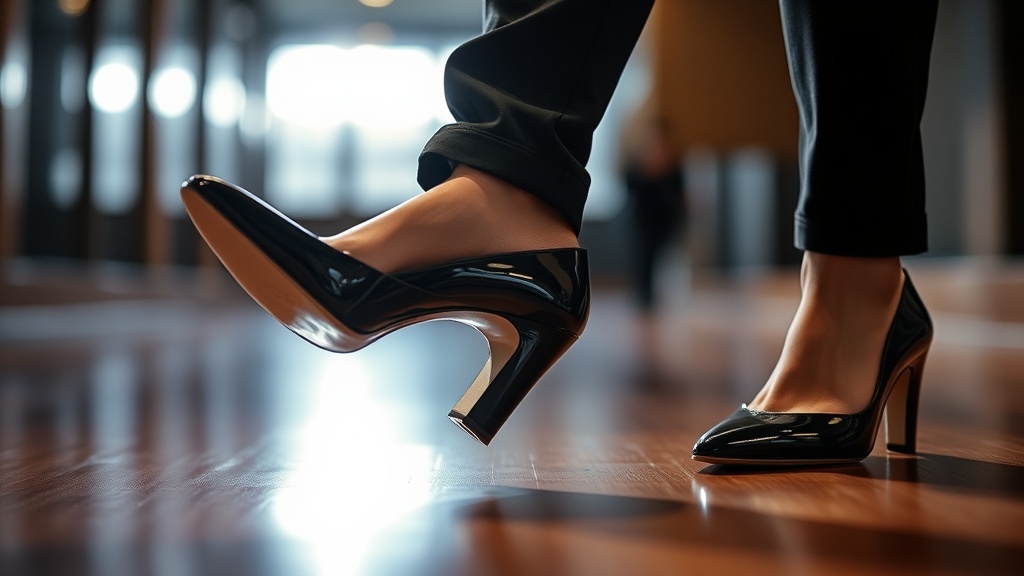
Why Your Designer Shoes Are Losing Their Shape

Use Cedar Shoe Trees for Leather Boots
Avoid Stacking Shoes in a Pile
The Importance of Dust Bags
Give Your Shoes a Rest Day
Proper Boot Stands for Tall Silhouettes
The Myth of Eternal Longevity
Most people assume that a high price tag is a guarantee of structural integrity. You spend $800 on a pair of Saint Laurent Louboutin pumps or $1,200 on Gucci loafers, and you expect them to look exactly the same three years later. The reality is that even the most prestigious luxury houses are susceptible to rapid structural degradation if you don't understand how the materials actually function. This post breaks down the specific mechanical and environmental reasons why your designer footwear is losing its shape, so you can stop treating them like indestructible heirlooms and start treating them like the delicate instruments they actually are.
When I worked in returns, I saw a staggering amount of "defective" luxury footwear that wasn't actually defective—it was simply poorly maintained. Consumers often blame the brand for a sagging heel or a collapsing toe box, but more often than not, the failure is due to a lack of understanding regarding material tension and environmental exposure. If you want your investment to last, you need to move past the marketing and look at the physics of the shoe.
1. The Failure of Internal Support Systems
The most common reason a shoe loses its silhouette is the degradation of the internal components, specifically the toe box and the heel counter. The heel counter is the stiff piece of material at the back of the shoe that holds your heel in place. In many mid-tier luxury brands, this is made of a reinforced plastic or heavy cardstock covered in leather. Over time, through the heat and pressure of your foot, this material can soften and warp.
Once that internal structure softens, the shoe will no longer stand upright when you set it down. You’ll notice the back of the shoe begins to "slump" or fold over. This is particularly common with soft leather loafers or ballet flats. To prevent this, you must use cedar shoe trees. A shoe tree doesn't just keep the leather from creasing; it provides constant outward tension that forces the internal structure to maintain its original shape while the leather is in its "resting" state.
Why Shoe Trees Are Non-Negotiable
- Moisture Absorption: Cedar trees absorb the sweat and humidity that accumulates inside the shoe.
- Tension Maintenance: They prevent the toe box from collapsing inward.
- Crease Prevention: They smooth out the vamp (the top part of the shoe) to prevent permanent "walking creases."
2. Leather Saturation and Structural Sag
Leather is a biological material, which means it reacts to its environment. High-end calfskin, lambskin, and suede are highly porous. When you wear your shoes, your feet produce moisture through perspiration. If you wear the same pair of Hermès Oran sandals or Gucci mules every single day, that moisture has nowhere to go. The leather absorbs the salt and oils from your skin, which eventually breaks down the fibers of the leather, making it limp and "floppy."
A shoe that has become too soft will lose its ability to hold a crisp line. This is why a pair of structured Dior J'Adore pumps might start looking "tired" or slouchy after a season of heavy use. The leather has essentially become over-saturated and lost its inherent tension. To avoid this, implement a 24-hour rule: never wear the same pair of leather shoes two days in a row. Giving the leather 24 hours to breathe and dry out allows the fibers to contract and regain their shape.
3. The Impact of Improper Storage
How you store your shoes is just as important as how you wear them. I see a massive amount of structural damage caused by "stacking" or "nesting" shoes in a closet. If you place a heavy pair of Prada Monolith boots on top of a pair of delicate Manolo Blahnik stilettos, you are physically crushing the silhouette of the lower shoe. Even if you don't see an immediate dent, the constant weight will eventually deform the leather and the internal supports.
Furthermore, storing shoes in a closed, unventilated box immediately after wearing them is a recipe for disaster. The heat trapped inside the box, combined with the residual moisture from your feet, creates a micro-climate that accelerates the breakdown of adhesives and leather. If you are dealing with high-end leather, you should also be aware of why your designer handbag is losing its shape, as the principles of structural support and moisture management are nearly identical for both accessories.
4. Sole Wear and Center of Gravity Shifts
A shoe's shape is not just about the upper; it is heavily dependent on the sole. When the heel or the ball of the foot wears down unevenly, it changes the shoe's center of gravity. This isn't just a matter of comfort; it's a matter of structural integrity. If you walk with a heavy strike on the outer edge of your foot (supination), you will wear down the outer edge of the sole. This tilt causes the upper part of the shoe to lean outward to compensate for the uneven base.
Once the sole is uneven, the leather upper is forced to bend in a way it wasn't designed to, leading to permanent structural warping. If you notice even a slight tilt in your designer heels, take them to a professional cobbler immediately. It is much cheaper to have a heel tap replaced or a sole reinforced than it is to try and fix a warped leather upper that has already lost its shape.
5. The Danger of Heat and Sunlight Exposure
Many people make the mistake of leaving their shoes near a radiator to dry out after a rainy day, or leaving them in a sun-drenched entryway. This is a critical error. High heat causes the glues and adhesives used in the construction of luxury shoes to soften and fail. This is often why the "sole separation" occurs in high-end sneakers or heavy-soled loafers.
Additionally, UV exposure from direct sunlight can dry out the natural oils in leather, leading to cracking and a loss of structural rigidity. A cracked leather upper cannot hold a shape; once the fibers are broken by heat and light, the silhouette is gone for good. Always store your footwear in a cool, dry, and dark environment. If you must dry them after getting caught in a downpour, use a fan or a cloth, but never use a hair dryer or a heating element.
Summary Checklist for Maintaining Shoe Shape
To ensure your investment pieces remain in "boutique condition" for as long as possible, follow this rigorous maintenance protocol:
- Use Shoe Trees: Insert cedar shoe trees immediately after taking your shoes off.
- Rotate Your Footwear: Allow at least 24 hours of "rest time" between wears to manage moisture.
- Avoid Heat: Never use heat sources to dry your shoes; let them air dry naturally in a ventilated area.
- Monitor the Sole: Visit a cobbler at the first sign of uneven wear to protect the upper's alignment.
- Store Separately: Never stack shoes on top of one another; use individual cubbies or dedicated shoe racks.
Luxury is not just about the brand name; it is about the maintenance of the craftsmanship. If you treat your shoes like disposable items, they will behave like them. If you treat them like the engineered objects they are, they will actually last.