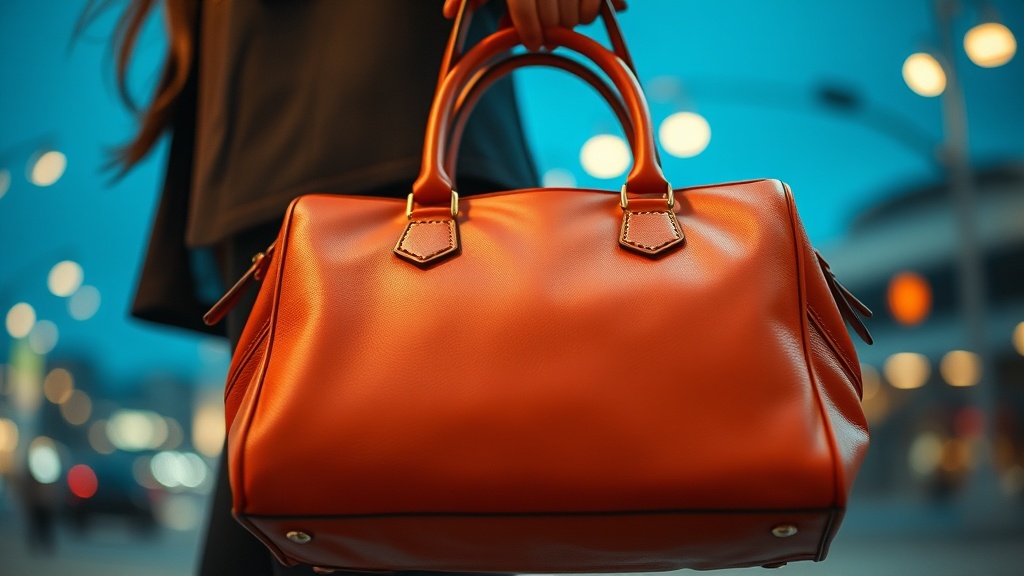
Why Your Designer Handbag Is Losing Its Shape

The Problem with Stuffing Too Much Inside
Why Airflow Matters for Leather
Avoiding the Gravity Trap of Shelf Storage
A designer tote sits on a marble countertop, looking slightly slumped. The once-crisp leather sides are bowing outward, and the base has developed a permanent, unsightly sag. This isn't just a cosmetic issue; it’s a structural failure that devalues your investment. Whether you spent $500 on a contemporary piece or $4,000 on a heritage luxury bag, the physics of weight and material degradation remain the same. This post breaks down the specific reasons your high-end bags are losing their silhouette and how you can prevent the dreaded "bag slump" before it becomes permanent.
The Physics of the Slump: Why Shape Loss Happens
The primary reason a handbag loses its shape is a combination of internal volume, weight distribution, and material fatigue. When you buy a bag, you are buying a structural blueprint. However, that blueprint is frequently compromised by how the bag is actually used in daily life. Most people treat their bags as bottomless pits, but leather and high-end synthetics have physical limits regarding how much tension they can endure before the fibers begin to stretch or fail.
Overstuffing and Gravity
The most common culprit is the constant battle against gravity. If you own a Celine Belt Bag or a Saint Laurent LouLou, you’ve likely noticed that these styles rely on a certain level of structural integrity to look "expensive." When you pack a medium-sized crossbody with a heavy smartphone, a bulky leather wallet, a portable charger, and a water bottle, you are placing immense downward pressure on the bottom seams. Over time, this stretches the leather fibers at the base, creating a permanent "belly" that makes the bag look worn out and cheap.
The Problem with Soft-Sided Silhouettes
There is a fundamental difference between a structured bag and a slouchy bag. A Gucci Jackie or a Bottega Veneta Soft Shell is designed to have a certain level of drape. The mistake many buyers make is purchasing a "soft" style but expecting it to hold a rigid shape. If the design is inherently unstructured, it will eventually conform to whatever is inside it. Once the leather has stretched to accommodate a large item, it rarely returns to its original state without professional intervention.
Common Mistakes That Ruin High-End Bags
As someone who has processed thousands of returns for "damaged" luxury goods, I can tell you that most "defects" are actually the result of improper storage and usage. You aren't dealing with a manufacturing error; you are dealing with a lack of maintenance. Here are the specific behaviors that are killing your bags' silhouettes.
Improper Storage Habits
Leaving your bag hanging by a single strap on a metal hook is a death sentence for the handle. The weight of the bag pulls constantly on the attachment points, stretching the leather and weakening the stitching. Even worse is the habit of "stacking" bags in a closet. If you place a heavy Louis Vuitton Neverfull on top of a smaller, softer Prada Re-Edition 2005, the pressure from the weight above will crush the bottom bag, leaving permanent indentations in the leather and ruining the structural integrity of the frame.
The "Dump and Go" Method
Most people treat the interior of their bag like a black hole. You throw your keys, sunglasses, and heavy tech into the main compartment without regard for where they land. When heavy objects settle at the very bottom corners, they create localized pressure points. This leads to "corner bowing," where the bottom edges of the bag lose their sharp, clean lines and begin to round out awkwardly. This is particularly common in bags with single-compartment designs where there is no internal organization to distribute weight.
How to Protect Your Investment
You can significantly extend the life of your luxury accessories by implementing a few strict structural rules. If you want your bags to look as good in three years as they did the day you unboxed them, you need to stop treating them like standard utility bags and start treating them like architectural objects.
Use Bag Organizers (But Use Them Correctly)
Bag organizers, or "inserts," are the most effective way to combat the slump. A felt or nylon insert provides a secondary skeleton for the bag. For a Givenchy Antigona, an insert is non-negotiable if you want to maintain that sharp, trapezoidal shape. The insert distributes the weight of your heavy items across the entire base of the bag rather than letting them pool in one spot. However, be careful: do not use an organizer that is larger than the bag's interior volume. If the organizer is too tight, it will actually force the leather to stretch outward, creating a different kind of shape distortion.
The Art of the "Stuffing" Technique
When you aren't using your bag, it should never be empty. An empty bag is a vulnerable bag. The lack of internal pressure allows the leather to collapse under its own weight. Instead of just throwing the bag in a dust bag, use acid-free tissue paper or specialized bag pillows to fill the interior.
Pro-Tip: Never use newspaper or cheap packing paper. The ink can transfer to the lining, and the harsh chemicals in low-grade paper can actually dry out and crack the leather from the inside. Use high-quality, unbuffered silk or acid-free tissue to maintain the internal volume without damaging the material.
Store Your Bags Flat, Not Hanging
To preserve the shape of the handles and the body, store your bags upright on a shelf. If you have a bag with a top handle, like a Hermès Birkin or a Loewe Puzzle Bag, ensure it is standing upright and is filled with enough stuffing to support the weight of the handles. If you must hang a bag, use a wide, padded hanger rather than a thin wire one, and ensure the bag is relatively light. If the bag is heavy, it should always live on a flat surface.
Identifying Quality: Structure vs. Marketing
Before you buy your next "investment piece," you need to look past the brand name and look at the construction. A high price tag does not always guarantee a bag that will hold its shape. I have seen "luxury" bags with incredibly thin leather that loses its form within a month of regular use. When shopping, perform these three tests:
- The Compression Test: Gently press the sides of the bag. Does it bounce back immediately, or does it feel "mushy"? A high-quality structured bag should have a certain level of resistance.
- The Base Inspection: Look at the bottom of the bag. Is it reinforced with a leather or metal base plate? A bag with a completely soft, unreinforced bottom will inevitably sag once you add a heavy wallet.
- The Stitching Tension: Look at the seams where the handles meet the body. Is the stitching tight and consistent, or are there gaps? Gaps in stitching are a sign that the bag will eventually stretch and lose its silhouette under weight.
Understanding these nuances will help you avoid the cycle of buying "disposable luxury"—items that look great in a photo but fall apart the moment they hit real-world use. If you are looking to refine your overall aesthetic and ensure your accessories are working with your wardrobe rather than against it, check out my guide on how to use statement pieces to elevate basic outfits.
Luxury is about more than just the logo; it is about the longevity of the design. By managing weight, utilizing proper storage, and selecting pieces with actual structural integrity, you can ensure your collection remains a testament to good taste rather than a collection of slumped, worn-out leather.