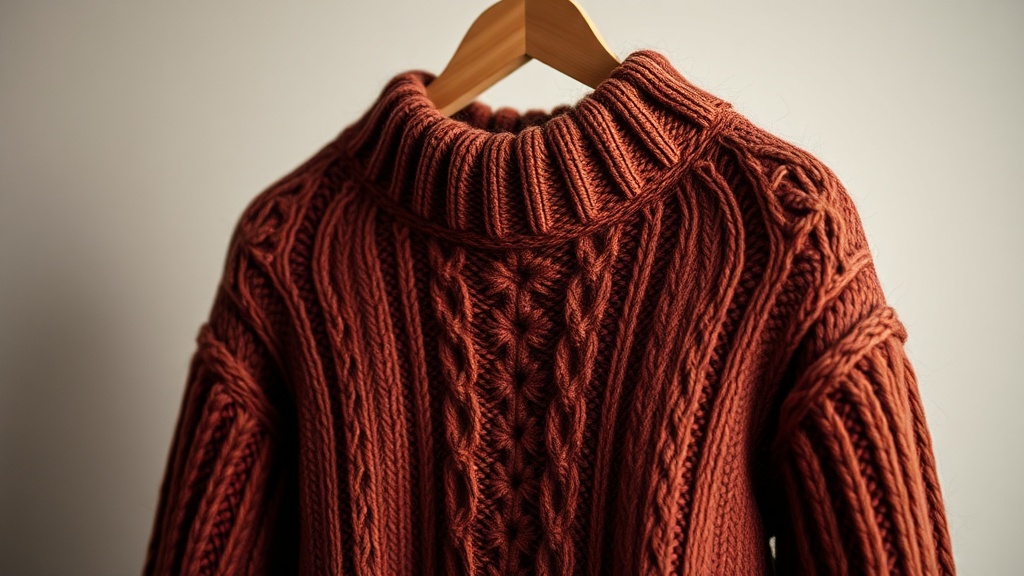
Why Your Wool Sweaters Are Pilling So Fast

Friction and Movement
Low Quality Fibers
Improper Washing Techniques
You will learn exactly why your wool sweaters are developing pills, the specific fiber blends to avoid, and how to distinguish between high-quality wool and cheap marketing fluff.
Pilling is not just an annoyance; it is a structural failure of the garment. When you see those small, fuzzy balls of fiber clinging to your underarms, thighs, or the front of your sweater, you are looking at the physical manifestation of short, weak fibers breaking free from the yarn and tangling together. Most people assume pilling is an inevitable part of wearing wool, but that is a lie sold to you by brands that prioritize high-volume production over garment longevity. Understanding the mechanics of pilling will help you stop wasting money on sweaters that look like they've been worn for a decade after just three outings.
The Science of the Pill
To understand why your sweater is falling apart, you have to understand what a "pill" actually is. A pill is a cluster of tangled fibers that have migrated from the surface of the yarn to the exterior of the fabric. This happens through friction. Every time your arms rub against your torso, or your handbag strap drags across your chest, you are applying mechanical stress to the fibers. If those fibers are short or poorly twisted, they snap, drift to the surface, and knot together.
There are two main types of pilling: abrasive pilling, caused by external friction (like a backpack), and internal pilling, caused by the fibers rubbing against each other within the knit itself. If you see pills appearing in high-friction areas like the armpits, it is often a sign of a loose knit structure. If the entire body of the sweater is covered, the problem is likely the quality of the fiber itself.
1. Short Staple Fibers and the "Cheap Blend" Trap
The most common reason for rapid pilling is the use of short staple fibers. In high-quality wool, the individual hairs (fibers) are long. Long fibers are much harder to pull out of the yarn twist, making the garment more durable. Low-end manufacturers, however, often use "short staple" wool or a mix of wool and low-grade synthetics to drive down costs.
When a brand uses short fibers, there are thousands of tiny "ends" sticking out of the yarn. These ends are the culprits. They catch on everything, break, and form pills almost immediately. You will see this frequently in mid-market "wool blends" found at retailers like H&M or Zara. While they label the item as "Wool Blend," they often use a very low percentage of wool and a high percentage of short-fiber polyester or acrylic. This creates a recipe for disaster: the wool provides the warmth, but the cheap synthetic fibers provide the friction and the pilling.
2. The Problem with Synthetic Blends
It is a common misconception that adding synthetic fibers like nylon or polyester makes a sweater more durable. In reality, adding certain synthetics can actually accelerate pilling. Synthetics are incredibly strong. While natural wool fibers might break and eventually fall off the garment, synthetic fibers are so strong that they hold onto the pill even after it has formed. This creates those stubborn, hard little balls that are nearly impossible to remove without damaging the fabric.
When you buy a sweater that is a blend of wool and nylon, the nylon acts as an anchor for the pilling wool fibers. The wool breaks, but the nylon keeps the pill attached to the surface of the sweater. If you want a sweater that lasts, look for 100% natural fibers or blends with very high-quality, long-staple silk or cashmere. Avoid high-percentage polyester or acrylic blends if you want to avoid the "fuzzy" look after a month of wear.
3. Low Twist and Loose Knit Structures
The way the yarn is spun—specifically the "twist"—dictates how much pilling will occur. A "high-twist" yarn is tightly wound, which keeps the individual fibers locked securely in place. A "low-twist" yarn is loftier, softer, and much more voluminous, but it is also much more prone to pilling because the fibers are loosely held.
This is why many "luxury" cashmere sweaters feel incredibly soft in the store but pill after a single wear. They are using a low-twist, high-loft yarn to create an immediate sensation of softness. While it feels great against your skin, that softness is a red flag for low durability. A sweater that feels slightly "crisper" or more structured is often a better indicator of a high-twist yarn that will resist pilling. If you are looking for a heavy, chunky knit, ensure the stitches are tight. A loose, "holey" knit is a magnet for friction and subsequent pilling.
4. Improper Laundering and Mechanical Stress
Even a high-quality wool sweater can be ruined by poor maintenance. If you are throwing your wool sweaters into a standard washing machine cycle, you are subjecting them to extreme mechanical stress. The agitation of the machine causes the fibers to rub against one another and against other garments, creating the very friction that leads to pilling.
To prevent this, you must follow these specific protocols:
- Hand Wash Only: Whenever possible, hand wash your wool garments in cool water using a pH-neutral detergent like Woolite or a specialized wool wash.
- Avoid the Dryer: Never, under any circumstances, put a wool sweater in a tumble dryer. The heat and the constant tumbling are the fastest ways to destroy the fiber integrity and induce pilling.
- Flat Dry: Lay your sweater flat on a clean towel to dry. Hanging a wet sweater on a hanger will stretch the knit, which changes the tension of the yarn and makes it more susceptible to fiber breakage.
- Use a Mesh Bag: If you must use a machine, use a delicate cycle and place the sweater in a high-quality mesh laundry bag to minimize contact with other fabrics.
5. Friction from Accessories and Outerwear
Sometimes, the fault lies not with the sweater, but with what you wear over or with it. Constant friction from a heavy wool overcoat or a textured canvas backpack can accelerate the pilling process in specific zones. If you notice pilling exclusively on your shoulders or the sides of your torso, your outerwear is the culprit.
Check the lining of your coats. A rough, unlined wool coat will act like sandpaper against a delicate cashmere sweater. Similarly, if you frequently wear a crossbody bag, the strap will create a high-friction zone on your chest and hip. To protect your high-end knits, pair them with smooth-lined jackets (like silk or acetate linings) and be mindful of heavy, textured accessories.
How to Spot Quality Before You Buy
Since you can't test the "twist" of the yarn in a fitting room, you have to use your senses to judge quality. Here is how to vet a sweater before you head to the checkout:
- The Stretch Test: Gently stretch a small section of the knit and let it snap back. If it stays distorted or looks "gappy," the knit is too loose and will pill quickly.
- The Light Test: Hold the sweater up to a light source. If you see a lot of unevenness or "flyaway" fibers through the light, the yarn is made of short-staple fibers.
- The Texture Check: Rub a small section of the sweater against itself with your fingers. If it immediately feels "fuzzy" or produces tiny bits of lint, it is a low-twist, high-pilling garment.
- Check the Composition Label: If the label says "Wool Blend" followed by a high percentage of polyester or acrylic, walk away. Look for 100% wool, 100% cashmere, or blends with high-quality natural fibers.
Investing in quality wool is an investment in your wardrobe's longevity. Stop buying the "soft-looking" cheap versions and start looking for the structural integrity that actually lasts through the season.