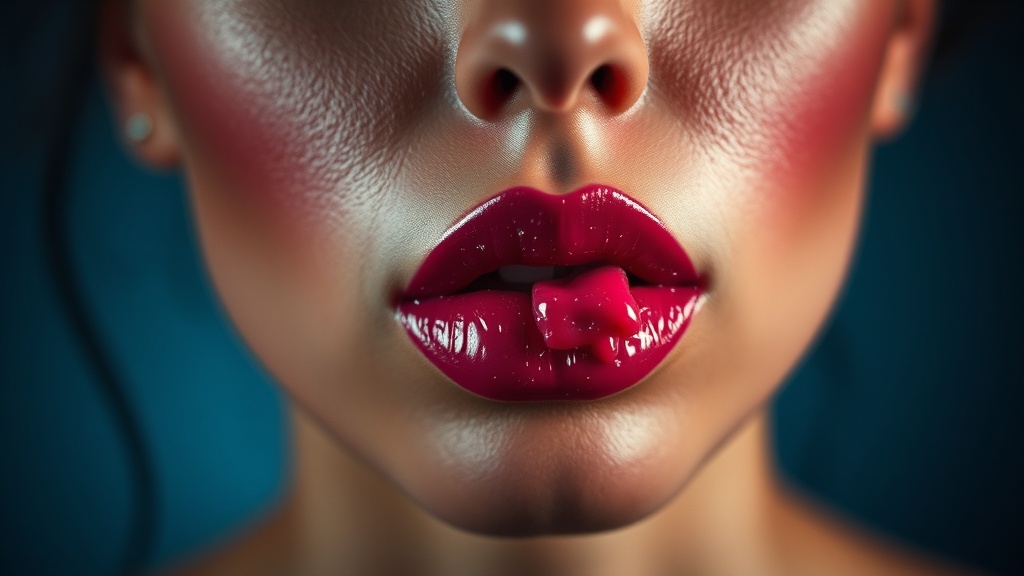
Why Your Lip Gloss Keeps Feeling Sticky and Heavy

Most people assume a sticky, heavy sensation in their lip gloss is a sign of high pigment density or a "long-lasting" formula. In reality, that discomfort is usually a manufacturing shortcut or a poor choice of base ingredients. If your gloss feels like you’ve applied a layer of honey or a thick weight on your lips, you aren't experiencing "luxury"—you are experiencing a formula that is poorly balanced. This post breaks down the chemistry of why glosses fail, what ingredients to look for to avoid the "glue" feeling, and how to identify high-quality formulations before you hit the checkout button.
The Myth of High Pigment and Weight
There is a persistent misconception in the beauty industry that for a lip product to be "high-end" or "high-pigment," it must have a certain level of viscosity. Marketing campaigns often use words like "rich," "luscious," and "substantial" to justify a higher price point, but in the world of returns and product quality, these are often euphemisms for a heavy, tacky texture. A truly high-quality pigment should be suspended in a way that feels weightless on the lips, not stuck to them.
When a gloss feels heavy, it is often because the manufacturer has prioritized shelf-life and pigment load over wearability. To keep pigments from settling at the bottom of the tube, brands often increase the concentration of thickeners. While this creates a striking visual in the packaging, it results in a product that clings to the hair of your face and creates an uncomfortable sensation of tension in the lip tissue. You aren't paying for quality; you are paying for a formula that is difficult to wear.
The Role of Polybutene and Synthetic Oils
The primary culprit behind that "gluey" feeling is often an overreliance on Polybutene. This is a synthetic polymer used to provide viscosity and "cling" to the lips. While it is a standard ingredient, an excessive amount creates a high-tack finish that makes it nearly impossible to speak or eat without feeling like your lips are stuck together.
When you look at the ingredient list of a budget-friendly gloss, you will often see Polybutene listed near the top. While not all Polybutene is bad, a formula that relies too heavily on it—without enough emollient counter-balance—will always feel heavy. This is a common issue in many "ultra-shiny" drugstore brands that want to achieve a glass-like look without investing in more expensive, lightweight oils.
Why Your Gloss Feels Like a Layer of Plastic
If your lip gloss feels like a film or a layer of plastic rather than a hydrating treatment, you are likely dealing with an abundance of Silicones or Petrolatum. While these ingredients are excellent for creating a temporary barrier, they do not offer true hydration. They sit on top of the skin rather than sinking in.
- Dimethicone: This is a common silicone used to create a smooth glide. In high doses, it creates a "slip" that eventually turns into a suffocating, heavy sensation as the volatile components evaporate.
- Petrolatum: Often found in cheaper "glossy balms," petrolatum is an occlusive. It is great for preventing moisture loss, but if it is the primary base of your gloss, it will feel thick, greasy, and uncomfortably heavy over time.
- Mineral Oil: While effective, a high concentration of mineral oil can lead to a "sliding" sensation where the product feels like it is migrating toward the edges of your mouth, creating a messy, heavy feeling.
When a product relies on these ingredients to provide shine, it is a sign that the brand is using cheap fillers to mimic the appearance of a high-end oil-based gloss. If you find that your gloss feels more like a coating than a treatment, it is likely because the formula is designed for immediate visual impact rather than long-term comfort.
The Importance of Emollients vs. Occlusives
To avoid the heavy sensation, you must understand the difference between an occlusive and an emollient. An occlusive (like wax or petrolatum) creates a seal to keep moisture in, but it can feel heavy and suffocating. An emollient (like jojoba oil, squalane, or shea butter) softens the skin and penetrates more effectively, providing a lightweight feel.
High-quality lip oils and luxury glosses prioritize emollients. If you want a product that feels weightless, look for formulas where the first few ingredients are plant-based oils rather than synthetic polymers or heavy waxes. A well-balanced formula uses just enough wax to keep the product in place, but enough oil to ensure the lips feel nourished rather than coated.
Common Ingredients to Watch For
- High Viscosity Polymers: If the ingredient list is dominated by heavy synthetic thickeners, expect a sticky finish.
- High Mineral Oil Content: This can lead to a greasy, heavy feeling that lacks the "breathability" of natural oils.
- Excessive Synthetic Fragrance: Sometimes, the "heaviness" is actually a sensory reaction to heavy fragrance oils that can irritate the delicate lip tissue, making them feel swollen or "thick."
How to Test for Quality Before You Buy
Since you can't always test a product in a store, you have to become a detective of the ingredient list and the packaging description. Here is how to spot a "garbage" gloss before you spend your money.
1. Check the "Finish" Descriptions: If a brand uses words like "Extreme Shine," "High-Tack," or "Glass-Like" without mentioning "Hydrating" or "Oil-Infused," proceed with caution. These terms often signal a formula that is heavy on polymers and light on emollients.
2. Look for "Oil-in-Gloss" Formulations: The trend of "Lip Oils" (like those from brands such as Dior or even more affordable versions like Summer Fridays) is a direct response to the heavy, sticky gloss era. These products use a higher ratio of oils to polymers, resulting in a much lighter, more comfortable wear. If you hate stickiness, move away from traditional "glosses" and toward "lip oils" or "tinted balms."
3. The "Scent" Test: While not a direct indicator of weight, a heavy, cloying scent often accompanies heavy, synthetic formulas. A light, natural scent is more frequently found in products that use higher quality, lighter-weight base ingredients.
The Connection Between Texture and Skin Health
It is easy to overlook how a heavy lip product affects your skin health. When a gloss is too heavy or contains too many occlusives, it can actually trap dead skin cells and bacteria against your lips. This can lead to irritation or even a sensation of "tightness" once the product wears off. If your lips feel dry or flaky immediately after removing a "hydrating" gloss, the product was likely too heavy and didn't actually provide any moisture.
If you are experiencing skin issues due to your makeup or skincare, it can sometimes be a sign of a larger systemic issue with your products. For example, if you find that your makeup is interacting poorly with your skin texture, you might also want to look into why your foundation is settling into your fine lines, as both issues often stem from a lack of proper hydration and the use of heavy, non-breathable formulas.
Summary Checklist for Your Next Purchase
Before you add that new shimmering gloss to your cart, run it through this quick reality check:
- Does it list oils near the top? (Look for Jojoba, Squalane, or Almond Oil).
- Is the primary marketing focus on "Stickiness" or "Shine"? (If yes, expect a heavy feel).
- Is it a "Lip Oil" or a "Lip Gloss"? (Oils are generally much more comfortable for daily wear).
- Does it contain excessive Petrolatum or Mineral Oil? (These will feel heavy and may not truly hydrate).
Stop settling for products that make you feel like you're wearing glue. High-quality lip products should enhance your lips, not weigh them down. By reading the labels and understanding the difference between a coating and a treatment, you can build a collection of products that actually feel as good as they look.