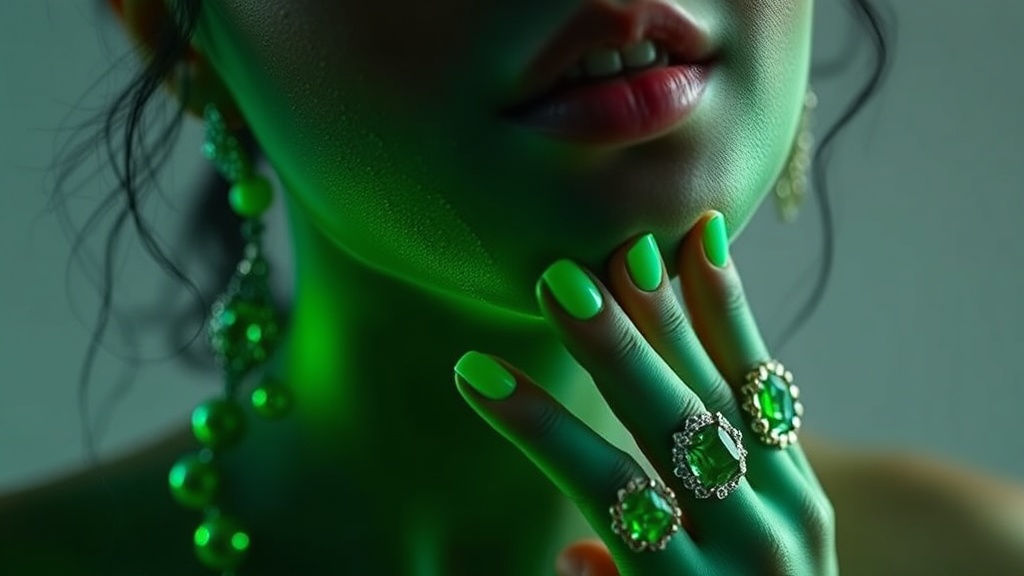
Why Your Jewelry Is Turning Your Skin Green

Have you ever put on a pair of gold-toned hoops or a new statement necklace only to find a bright green ring or neck stain by the end of the day? This discoloration isn't just a cosmetic nuisance; it is a chemical reaction between your skin and the metal composition of your jewelry. Understanding why this happens will help you distinguish between high-quality investment pieces and the cheap, disposable "fashion jewelry" that is designed to fail. This guide breaks down the chemistry of skin discoloration, the specific metals responsible, and how to shop for jewelry that won't ruin your complexion.
The Science of the Green Stain
The green tint you see on your skin is almost always caused by copper oxidation. Most affordable jewelry is not made of solid gold or silver; instead, it is made of a base metal—often brass or copper—which is then coated in a thin layer of a more precious metal through a process called electroplating. When this plating wears thin, the base metal is exposed to the elements.
When the exposed copper reacts with oxygen, moisture, or the acidity of your skin, it creates a chemical reaction known as oxidation. This process produces copper salts, which are a distinct shade of green. While these salts are generally non-toxic and can be washed off with soap and water, the fact that they are forming is a direct signal that the protective plating on your jewelry has failed.
The Role of Skin pH and Sweat
You might notice that certain earrings only turn your skin green during a workout or a humid summer afternoon. This is because sweat and sebum (your skin's natural oils) act as electrolytes. These substances accelerate the oxidation process. If you have a higher skin acidity—often caused by diet, stress, or even certain topical skincare products—the reaction will happen even faster.
If you frequently use heavy lotions or even certain fragrances that interact with your skin, the alcohol and chemical compounds in those products can strip the plating even more aggressively, leading to premature discoloration.
Common Culprits in Low-Quality Jewelry
To avoid the green skin phenomenon, you need to know what to look for on a product label. If a brand is vague about their materials, assume the worst.
Brass and Copper Base Metals
Brass is an alloy of copper and zinc, and it is the most common culprit in "gold-toned" fashion jewelry found at retailers like H&M, Zara, or various fast-fashion boutiques. Because brass contains a high percentage of copper, once the gold plating chips or wears away, the green oxidation is inevitable. If a product description simply says "gold-colored metal" or "gold-toned alloy," it is almost certainly brass-based.
Nickel: The Irritant Factor
While nickel doesn't typically cause a green stain, it is often paired with the metals that do. Nickel is a common allergen. If you experience itching, redness, or a rash alongside the green discoloration, you are likely dealing with a nickel allergy. Many low-cost earrings use nickel in the base metal or the plating process, which can cause contact dermatitis.
Low-Micron Gold Plating
Even if a piece is listed as "gold plated," the quality depends on the micron thickness of that plating. "Flash plating" is an extremely thin layer of gold that can wear off in a matter of days through friction against your skin or clothing. Once that micro-layer is gone, the base metal is exposed to your sweat, and the green staining begins.
How to Read Jewelry Labels Like a Pro
Stop looking at the aesthetic and start looking at the technical specifications. When shopping online or in-store, look for these specific terms to ensure longevity.
- Gold Vermeil: This is a step above standard gold plating. To be true gold vermeil, the base metal must be sterling silver, and the gold layer must be at least 2.5 microns thick. This is significantly more durable and much less likely to cause skin discoloration.
- Gold Filled: This is a heavy-duty process where a thick layer of gold is mechanically bonded to a base metal (usually brass). It is much more durable than plating and can last for years of daily wear without turning your skin green.
- Stainless Steel: If you want jewelry that is virtually indestructible and hypoallergenic, look for 316L surgical-grade stainless steel. It does not oxidize, it does not turn skin green, and it is highly resistant to corrosion from sweat and water.
- Solid Gold/Sterling Silver: These are the gold standards (literally). While more expensive, they do not have a "base metal" to react with your skin.
Practical Tips to Prevent Discoloration
If you already own jewelry that is starting to show signs of wear, there are a few ways to mitigate the damage and extend the life of your pieces.
The Clear Nail Polish Hack
A common "quick fix" is to coat the inside of a ring or the back of an earring with a thin layer of clear nail polish. This creates a physical barrier between the metal and your skin, preventing the copper from reacting with your sweat. However, this is a temporary solution. As the polish chips, the metal will once again be exposed. Use this only for pieces you love but know are low-quality.
The "Last On, First Off" Rule
To prevent the chemical reactions described above, follow the golden rule of accessorizing: Jewelry should be the last thing you put on in the morning and the first thing you take off at night. Do not put your jewelry on until after you have applied your perfume, hairspray, and lotion. These substances are highly reactive and will strip the plating off your jewelry much faster than skin alone.
Proper Storage Techniques
Oxidation doesn't just happen on your skin; it happens in your jewelry box. If you leave your jewelry out on a vanity, it is constantly exposed to oxygen and humidity. Store your pieces in airtight small plastic bags or specialized jewelry boxes that are moisture-resistant. This keeps the metal stable and prevents the plating from degrading before you even get a chance to wear it.
When to Throw It Away
As a former returns specialist, I have seen countless customers try to "fix" jewelry that was fundamentally flawed. If you notice that your jewelry is not only turning your skin green but is also starting to look dull, pitted, or uneven in color, the plating is gone. At this point, the piece is no longer "gold-toned"; it is just a piece of brass. No amount of cleaning or polishing will restore the gold layer. If the structural integrity of the plating has failed, it is time to part ways with the piece and invest in something with a higher micron count or a better base metal.
Avoid the temptation to keep "rotating" through cheap pieces that leave stains. The cost of replacing five $15 necklaces that turn your skin green is the same as buying one $75 gold-filled necklace that will last you a decade. Invest in the material, not just the look.