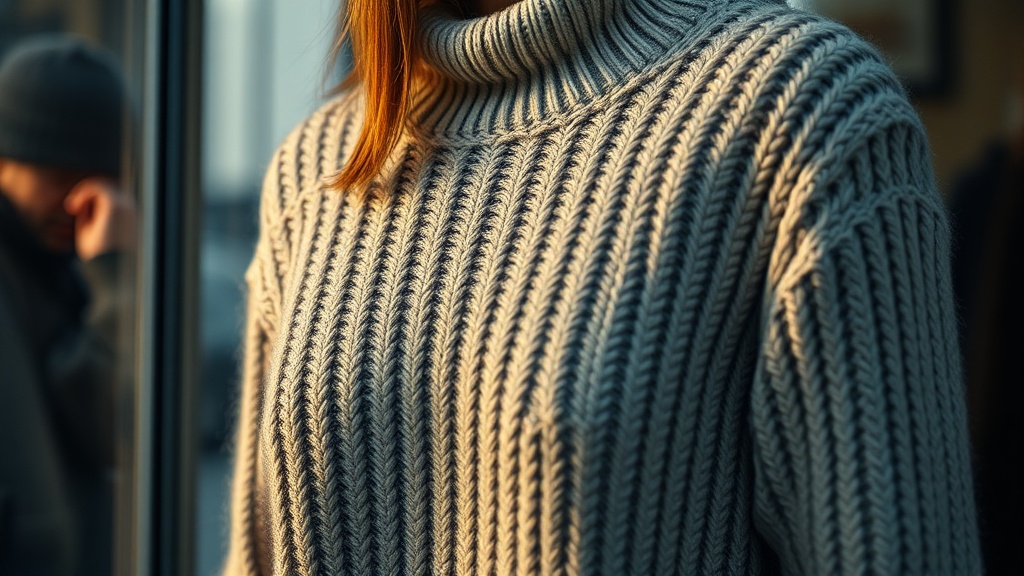
Why Your Designer Knitwear Is Pilling After Just One Wear

The Unpleasant Reality of Your New Cashmere Sweater
You finally splurged. You found that heavy, cream-colored knit that looked spectacular on the model in the studio lighting. You wore it out to dinner once, and by the time you got home, the underarms and sides were covered in those tiny, annoying fuzz-balls we call pills. It looks cheap, it looks worn out, and it feels like a total waste of money. This isn't just bad luck; it's often a result of how the fibers were processed or even how the garment was constructed. In my years handling returns, I saw thousands of "premium" knits sent back because they fell apart the moment they hit a human body.
Pilling isn't just a nuisance—it's a sign of fiber instability. When short, weak fibers break and tangle together, they form those little knots. If you're seeing them immediately, the brand likely used a high percentage of short-staple fibers or mixed in cheap synthetic blends that don't hold the structure. You're paying a premium for a brand name, but the actual textile quality is bottom-tier. We're going to look at why this happens and how to spot the difference before you tap that "buy" button.
Is It High Quality Cashmere or Just a Marketing Label?
The biggest mistake people make is assuming a higher price tag equals better fiber. The truth? Many mid-tier luxury brands use a blend of cashmere and low-grade wool or even polyester to keep costs down while keeping the price high. This blend is a recipe for disaster. When a garment has a high percentage of synthetic fibers, those fibers act like sandpaper against the natural ones, causing the friction that leads to pilling.
To check for quality, you need to look at the fiber length. Long-staple fibers are the gold standard. If the fiber is short, it will poke out of the yarn and pill almost instantly. A quick trick? Give the sweater a very gentle tug. If it loses its shape or feels overly flimsy, the yarn is poorly spun. You can also check the Vogue guide to luxury fabrics for more technical details on what to look for in high-end materials. Don't let a pretty logo distract you from a poorly spun yarn.
Why Does My Expensive Sweater Pill So Fast?
There are three main culprits here: friction, fiber length, and the way the garment was washed. If you're wearing a heavy wool sweater under a structured blazer, that constant rubbing is going to cause pills. However, if your sweater is pilling without even much movement, the problem is the yarn itself. It's likely a "low-twist" yarn, which is much looser and more prone to shedding.
- Low-Twist Yarns: These feel incredibly soft and "fluffy" in the store, which is a trap. That fluffiness is just unattached fiber waiting to tangle.
- Synthetic Blends: Polyester and nylon are often added to provide stretch, but they also create friction that creates pills.
- Incorrect Washing: Even a good sweater will be ruined if you throw it in a standard wash cycle with high agitation.
If you want to understand more about the physics of textile wear, the Textile Exchange provides great resources on how different fibers behave over time. If you're seeing pills after one wear, the garment is structurally unsound. Period.
How Can I Prevent Pilling on My Knits?
If you've already bought the piece, you can manage the damage, but you can't fix bad fabric. A high-quality sweater will still pill slightly over time—that's just nature—but it shouldn't look like a mess after a single outing. To minimize it, you must control the environment. Always wash your knits by hand or on a very delicate setting, and never, ever use a tumble dryer. Heat is the enemy of knitwear; it destroys the elasticity and causes the fibers to break.
When you're out shopping, perform the "stretch and release" test. Pull the fabric slightly to see how quickly it snaps back. If it stays stretched or looks slightly distorted, the yarn is weak. Also, look at the seams. If the stitching looks uneven or if you can see the thread through the gaps, the construction is subpar, and the tension will likely cause the fabric to pill at the stress points.
| Material Type | Pilling Risk | Longevity Expectation |
|---|---|---|
| 100% Long-Staple Cashmere | Low | High (Years) |
| Cashmere/Silk Blend | Very Low | Excellent |
| Cashmere/Polyester Blend | High | Low (Months) |
| Acrylic/Wool Blend | Very High | Poor (Weeks) |
Don't be fooled by terms like "soft touch" or "cloud-like." These are often euphemisms for a loose, low-twist knit that will be covered in pills by next week. Look for density and weight instead. A heavier, more substantial knit is usually a sign of a more stable yarn structure. If it feels light and airy like a cloud, it's probably going to feel like a mess very soon.