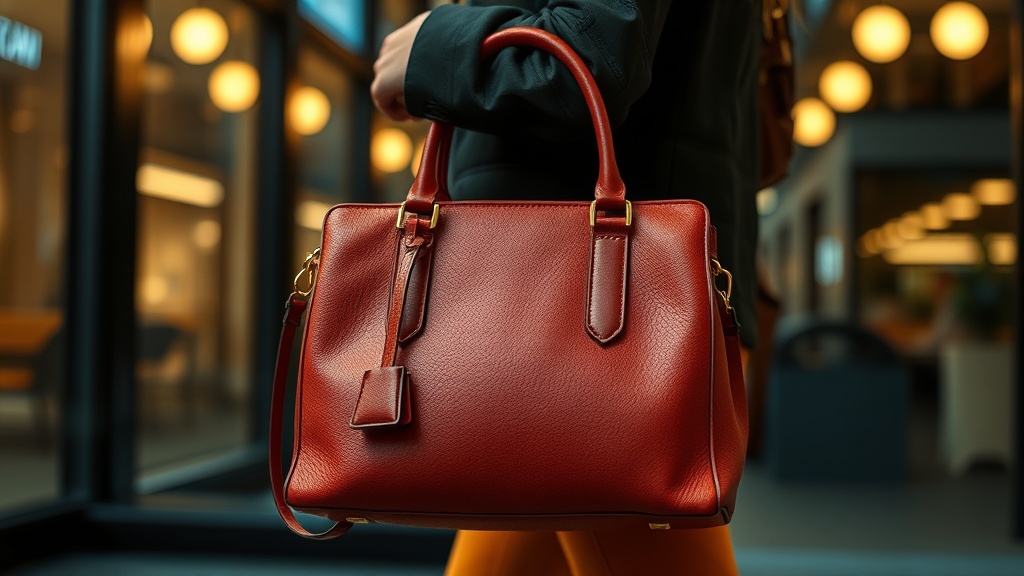
Why Does My Designer Bag Look Cheap After Two Months?

The average consumer spends roughly $1,200 on a single luxury handbag, yet a staggering percentage of these items show signs of structural failure within the first year of use. It isn't just bad luck; it's often a result of intentional design shortcuts that brands hide behind high price tags. When I worked in returns, I saw the same story over and over: a "statement piece" that looked stunning in a studio photo but fell apart the moment it faced real-world friction. If you're tired of watching your investment lose its luster before you even hit your first anniversary with it, you need to look past the logo and look at the construction.
A luxury label doesn't automatically mean a product is built to last. In fact, some of the most expensive brands are currently leaning into "planned obsolescence"—a way to ensure you'll be back in their shop for a replacement sooner than expected. Let's look at the actual culprits behind that rapid degradation.
What makes a designer bag lose its shape?
The primary reason a high-end bag loses its silhouette is a lack of structural integrity in the internal-reinforcement materials. Many brands use thin, flimsy cardboard or low-grade synthetic liners to give a bag its shape in the showroom. Once you start actually putting a heavy wallet, a phone, and a set of keys inside, that internal skeleton buckles. You'll notice the sides sagging or the bottom bowing outward—this is a sign of cheap internal architecture.
Pay attention to the weight and the stiffness of the material. If the bag feels hollow or "papery" despite being made of leather, it's a red flag. High-quality leather should have enough weight to hold its own structure even when empty. If you see the leather wrinkling or folding in ways that look permanent (not just natural-looking patina, but actual structural creasing), the leather is likely too thin or poorly tanned. For a deeper dive into how leather quality is actually measured, check out the standards set by the Leatherworking Knowledge Base.
Is real leather or synthetic better for longevity?
This is a debate that gets messy, but the truth is often counterintuitive. While many people assume "vegan leather" is a more ethical or modern choice, the reality in the fashion industry is that most "vegan leather" is just PU (polyurethane) or PVC. These materials are essentially plastic, and they don't age; they just decay. They crack, peel, and flake off in tiny pieces after a season of use. Unlike genuine leather, which develops a patina and grows more beautiful with age, synthetic materials simply look broken once they start to fail.
- Genuine Leather: Can last decades if treated correctly, but can be prone to water damage if not cared for.
- High-Quality Suede: Beautiful, but a nightmare for durability if you live in a rainy climate.
- Synthetic/Vegan Leather: Often looks perfect for the first month, but is almost impossible to repair once it starts peeling.
If you're looking for durability, you want full-grain leather. Most "luxury" brands are actually selling you "top-grain" or even "genuine leather" (which is a technical term for the lowest grade of real leather). Full-grain leather is the strongest part of the hide and is much more resistant to the wear and tear of daily life. You can learn more about the technical differences in leather grades via Leather Journal's technical guides.
Why do the metal parts on my bag turn green or peel?
This is one of the most frustrating things to see on an expensive accessory. You spend a fortune, and suddenly the gold-toned clasp is tarnishing or the side zipper is sticking. This happens because of poor metal plating. Cheaply made hardware is often just base metal (like brass or zinc) with a very thin layer of gold or silver plating. Once that thin layer gets scratched or exposed to the natural oils in your skin, the base metal begins to oxidize.
When you are shopping, perform the "scratch test" if possible. Gently run a fingernail over a non-visible area of the hardware. If the color shifts or looks dull, that plating is thin. High-quality hardware is usually plated more deeply or made from solid brass or stainless steel. If the zipper feels "gritty" or catches frequently, it's a sign that the teeth aren't uniform, which is a major sign of low-quality manufacturing. A bad zipper is a death sentence for a bag because it's incredibly difficult to repair without ruining the aesthetic of the piece.
The Hidden Signs of Cheap Construction
Beyond the obvious, there are subtle cues that tell you a bag is going to fail. Look at the stitching. I've spent countless hours looking at the undersides of bags in the returns department, and the truth is often ugly. If the stitching is uneven, has frequent "skipped" stitches, or if the threads are fraying, the bag is poorly made. High-end brands use high-tensity thread and consistent stitch-per-inch counts to ensure the seams don't pop under pressure.
Check the edges of the leather, too. A high-quality bag will have "edge painting" that is smooth and even. If the edges look rough, or if you can see the raw fiber of the leather peeking through a messy layer of paint, that's a sign of a rushed production process. This is where many "affordable luxury" brands cut corners to save a few cents per unit, and it's a mistake that costs you in the long run.
"A bag isn't just a vessel for your things; it's an architectural piece. If the foundation is weak, the entire aesthetic is a lie."
Don't be fooled by the brand name on the tag. A brand can spend millions on marketing to convince you their products are heirloom-quality, but the actual craftsmanship might be subpar. Always look at the seams, the hardware, and the internal structure before you tap your card. It's better to buy one well-made piece that lasts a decade than five "trendy" pieces that end up in a landfill by next summer.