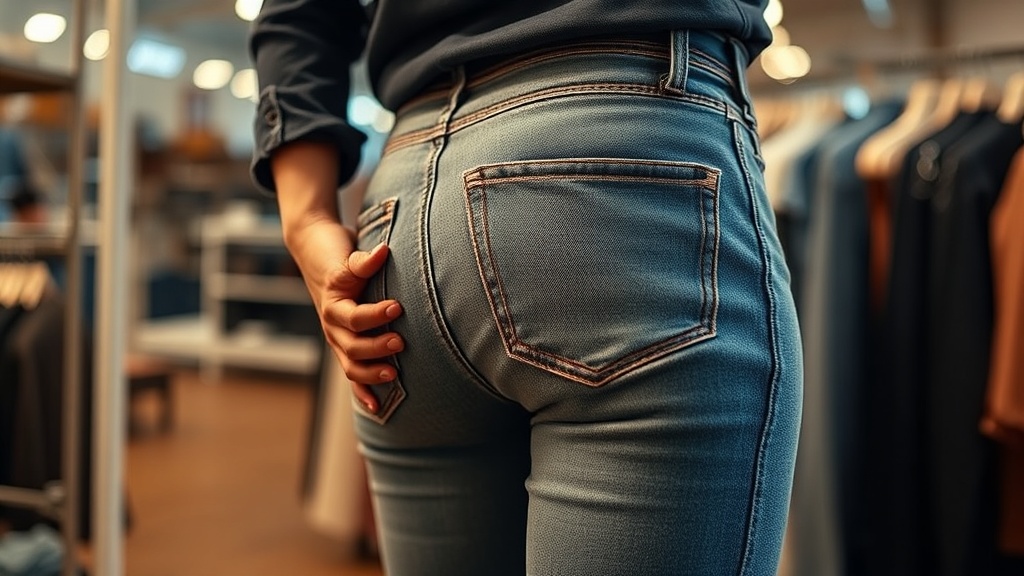
Why Do My Jeans Lose Their Shape After Three Washes?

You pull your favorite pair of dark-wash skinnies from the dryer—third wear this week—and something's off. The knees bag out like elephant skin. The waistband gaps at the back. What felt like a $140 investment now looks like thrift-store castoffs. I've processed thousands of denim returns, and this complaint? It's the number one reason jeans come back. The fabric's lost its memory, the elastane's given up, and you're left with pants that fit like a sack. Here's what's actually happening to your denim—and how to stop it.
What's Really in Your "Stretch" Denim?
That comfortable give you love? It's not magic—it's elastane (also called spandex or Lycra), and denim mills add anywhere from 1% to 4% to create "stretch" jeans. The problem? Elastane fibers break down fast. Heat, agitation, and body oils attack these synthetic strands, causing them to snap and lose recovery. Once they're gone, they don't come back.
I've opened return packages where the customer included a note: "Wore twice, now they slide down." I'd flip the waistband and check the fiber content tag—98% cotton, 2% elastane. Classic fast-fashion formulation. The mill saved pennies by using cheaper, lower-grade elastane, and you're paying for it with jeans that die before their first month.
Here's what the labels won't tell you: not all elastane is equal. Premium denim brands use higher-twist yarns and wrap the elastane in cotton or polyamide for protection. Mass-market labels? They'll often use bare elastane that sits right against your skin—collecting sweat, lotion, and friction with every step. That breaks down the fiber faster than anything.
Does Washing Temperature Actually Matter for Denim?
Yes—and no. The myth that you must freeze your jeans or never wash them is nonsense invented by people who don't actually wear their clothes. But temperature? That matters more than most realize.
Hot water accelerates elastane degradation. When water hits 140°F, elastane fibers start to relax and lose their shape memory permanently. Your home washing machine on "warm" typically runs 90-110°F—safe enough for occasional use, but repeated hot cycles? You're cooking the stretch right out of your jeans.
Cold water (60-80°F) preserves elastane and prevents indigo dye loss. But here's the catch most guides miss: cold water doesn't actually clean as effectively. Body oils, dead skin, and bacteria accumulate in the cotton fibers, breaking down the fabric from the inside. The compromise? Wash cold, but wash thoroughly—with a proper detergent dose and an extra rinse cycle. Don't half-ass it because you're trying to "preserve" your jeans. Dirty fabric degrades faster than clean fabric, full stop.
And that dryer? It's denim's worst enemy. The combination of heat and tumbling destroys elastane in 20-30 minutes what weeks of wear would accomplish gradually. I can't count how many "defective" jeans I've processed that were clearly shrunken, twisted, and heat-damaged from aggressive drying. If you're tossing stretch denim in the dryer on high heat, you're essentially paying to destroy your own clothes.
Why Do Some Jeans Bag Out Immediately While Others Don't?
The construction method matters as much as the fiber content. Denim with higher elastane percentages (3-4%) will stretch more initially—giving that comfortable "mold to your body" feeling—but they'll also lose shape faster. It's a trade-off that fast fashion exploits: that first-try comfort sells jeans, even if they won't last.
Weight is another factor. Lightweight denim (under 10 oz per square yard) doesn't have the structural integrity to hold its shape through multiple wears. It relies entirely on the elastane for recovery—and when that fails, the fabric collapses. Heavier denim (12-14 oz) has cotton fibers thick enough to provide natural structure. Even when the elastane gives up, the fabric holds its form.
Here's a pro tip from someone who's measured hundreds of returned pairs: check the fabric weight before buying. Most brands won't list it, but premium denim retailers—places like Self Edge or specialized boutiques—always specify. If a sales associate can't tell you the ounce-weight of the denim, you're probably looking at flimsy fabric that won't survive the season.
The weave pattern also plays a role. Traditional right-hand twill (the standard for most jeans) has natural diagonal stretch that works with elastane. Left-hand twill and broken twill weaves behave differently—sometimes requiring less synthetic stretch because the weave itself provides give. It's the kind of detail that separates $200 Japanese denim from $40 mall brands, and it's rarely discussed in mainstream shopping guides.
How Can You Make Stretch Denim Last Longer?
Rotation is your friend. Wearing the same pair of jeans three days in a row doesn't give the elastane time to recover. The fibers stay in a stretched position, and eventually, they "learn" that shape permanently. Give each pair at least 24 hours of rest between wears—48 is better. Yes, this means you need more jeans. But three pairs that last two years each beats one pair that dies in three months.
Storage matters too. Folding jeans and stacking them in a drawer preserves the waistband shape better than hanging (which can stretch the shoulders—yes, jeans have shoulders). And never, ever store damp or sweaty jeans in a hamper. The moisture breaks down fibers and breeds bacteria that literally eat away at the fabric. I've seen jeans returned with waistbands that had disintegrated from being balled up wet for days.
When it comes to cleaning, hand-washing is ideal but impractical for most people. The next best option? A delicate cycle in cold water, inside-out, with a mesh laundry bag. Use a detergent formulated for darks—it helps preserve the indigo that protects the underlying cotton. Skip the fabric softener; it coats fibers and actually reduces elasticity over time.
For drying, flat-dry if you have the space. Hang-dry by the cuffs (not the waistband) if you don't. And if you absolutely must use a dryer—some fabrics get too stiff otherwise—use the lowest heat setting and remove the jeans while they're still slightly damp. Let them finish air-drying on a rack. That residual moisture helps the fibers relax back into shape rather than getting "shocked" into a new position by continued heat exposure.
The Quality Markers That Actually Predict Longevity
When shopping, flip the jeans inside-out and examine the interior waistband. Quality denim uses a woven tape that's sewn flat against the fabric. Cheap denim uses a printed ribbon that's glued on—it'll peel and crack within weeks. Check the belt loops: are they bar-tacked (reinforced with extra stitching) or just single-stitched? Bar-tacking indicates the manufacturer expects the jeans to last long enough to need a belt.
Look at the rivets too. Real copper rivets at stress points (pocket corners, crotch) prevent tearing. Plastic or aluminum rivets are cost-cutting measures that pop off or bend. And examine the hem—quality jeans have a chain-stitched hem that allows natural movement. Lock-stitched hems (two parallel rows of straight stitches) are cheaper to produce but create a rigid line that wears faster and puckers after washing.
These details aren't aesthetic flourishes. They're structural investments that indicate whether a brand expects their jeans to survive 50 wears or 500. Denim enthusiasts have documented this for decades—the same construction techniques that made Levi's 501s last for generations still apply today, even with stretch fabrics.
Is It Worth Paying More for "Premium" Stretch Denim?
In my experience processing returns? Usually, yes—but with caveats. A $180 pair of jeans from a reputable mill will generally outlast three $60 pairs. The cost-per-wear math favors investment pieces. However, "premium" has become a marketing term with no regulatory meaning. Some $200 jeans use the same fabrics as $80 alternatives—the markup pays for branding, not quality.
The real value indicator is transparency. Brands that specify mill partners (Cone Mills, Kuroki, Kaihara), fiber grades, and construction details are putting their reputation on traceable quality. Brands that hide behind vague terms like "premium stretch denim" or "luxury soft touch" are hoping you won't ask questions. Ask. Email customer service. Check the fiber content. If they can't tell you where the fabric comes from, you're paying for a story—not better jeans.
There's also the sustainability angle to consider. Buying one pair that lasts three years generates less waste than buying six pairs that last six months each. The fashion industry produces 92 million tons of textile waste annually, and poorly constructed stretch denim is a major contributor. When elastane degrades, the entire garment becomes difficult to recycle—the synthetic and natural fibers are bonded together. Better construction means longer wear means less landfill.
But don't assume price equals quality. I've seen $250 designer jeans with the same flimsy elastane and glued-on labels as $40 fast fashion. The difference? Marketing budgets. The only reliable quality test is examining construction details yourself—or buying from retailers with solid return policies so you can inspect before committing.
Your jeans don't have to die young. With proper care, quality construction, and realistic expectations about what stretch fibers can handle, a good pair should deliver years of comfortable wear. The alternative? Keep feeding the returns cycle—and trust me, I've seen where those dead jeans end up. It's not pretty.