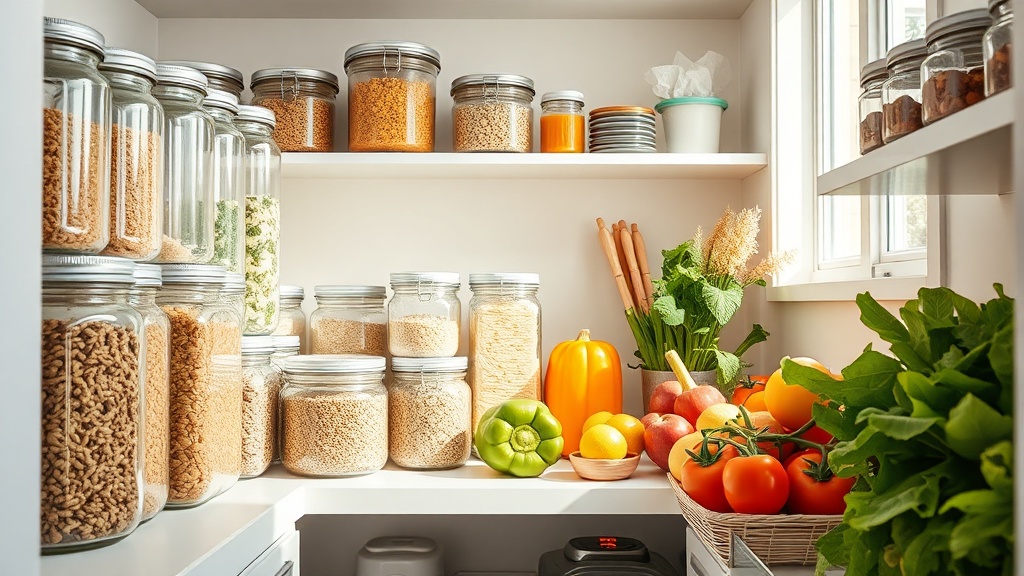
Spring Clean Your Pantry: 7 Steps to a Zero‑Waste Kitchen

Hook
Ever opened your pantry and thought, "Did I just buy a month's worth of food in one go, only to waste half of it?" If that feeling hits you every spring, you’re not alone — and it’s a perfect excuse to overhaul your pantry for good.
Context
Spring cleaning isn’t just about swapping out scented candles or reorganizing your closet. The EPA and the UN have both set aggressive food‑waste reduction targets for 2026, urging households to cut waste by 30% this year alone (EPA, 2025; UN SDG 12). A messily stocked pantry is a major culprit, but a disciplined, zero‑waste setup can slash your grocery bill and your carbon footprint.
What Is a Zero‑Waste Pantry?
A zero‑waste pantry is a strategic inventory of foods stored in reusable containers, bulk‑buy packages, and compost‑ready scraps. It eliminates single‑use plastics, reduces “buy‑it‑once‑and‑forget‑it” spoilage, and makes every ingredient count.
Why Does It Matter Right Now?
Spring brings fresh produce, sales on bulk staples, and a cultural push toward sustainability. Leveraging these trends means you can save money, reduce landfill waste, and feel good about the food you keep in your kitchen.
7 Steps to Audit, Organize, and Stock Your Zero‑Waste Pantry
1. Take Stock – What’s Actually in There?
Pull every item out, wipe down the shelves, and list each product with its expiration date. Use a spreadsheet or a free app like Pantry Check (available on iOS/Android). This audit reveals hidden culprits: expired snacks, duplicate spices, and half‑empty jars that will spoil before you use them.
Pro tip: Snap a quick photo of each shelf before you start. It makes the “before‑and‑after” reveal more satisfying for your Instagram stories.
2. Purge the Waste
Anything past its “best‑by” date or that you’ve not used in six months? Toss it (or compost if it’s organic). For items that are still safe but you won’t use, consider donating to a local food bank — many accept unopened pantry goods.
Stat: The USDA reports that ≈30% of the food supply in the U.S. ends up as waste, much of it at the consumer level (USDA, 2024). Cutting just a few items can make a noticeable dent.
3. Standardize Your Containers
Invest in clear, airtight glass jars for dry goods (rice, beans, pasta) and silicone bags for spices. Label each with the item name and purchase date. Uniform containers make it easy to see quantities at a glance and prevent accidental double‑buying.
Why glass? It’s 100% recyclable and doesn’t leach chemicals, unlike some plastics.
4. Create Zones for Frequency
Arrange your pantry into three zones:
- Everyday Essentials (flour, sugar, oil) — front and eye‑level.
- Weekly Rotating Items (seasonal veggies, fresh herbs) — middle shelf.
- Long‑Term Storage (bulk beans, canned goods) — back or bottom.
This layout mirrors the “fast‑access, slow‑access” principle used in retail stores and reduces the time you spend hunting for items.
5. Bulk‑Buy Smartly
Spring sales often feature grains, nuts, and dried fruits. When buying in bulk, only purchase what you can fit into your reusable containers. If a bulk bin’s size exceeds your storage, split the purchase across multiple containers to avoid over‑stocking.
Caution: Check the unit price per ounce/kg to ensure you’re truly saving compared to pre‑packaged alternatives.
6. Introduce Compost & Recycling Bins
Place a small compost bin on the pantry floor for fruit peels, coffee grounds, and other organics. Pair it with a recycling bin for cardboard packaging you can’t avoid. Label each bin clearly so the habit sticks.
Fact: Composting kitchen scraps can cut household waste by ≈25% (EPA, 2025).
7. Maintain a Monthly Check‑In
Set a calendar reminder for the first Saturday of each month. Do a quick visual scan, toss anything expired, and note items that need restocking. Over time, you’ll develop a predictable ordering rhythm, meaning fewer impulse buys and less waste.
Takeaway
A zero‑waste pantry isn’t a one‑off spring fling; it’s a habit loop that saves you cash, reduces landfill contributions, and gives you peace of mind every time you open a jar. Start today with the seven steps above, and you’ll see the impact within weeks.
Ready to dive deeper? Check out my other spring‑cleaning guides:
- Spring Clean Your Digital Life: Declutter Email, Photos & Apps
- Spring Clean Your Lifestyle: 5 Science‑Backed Habits to Boost Longevity This March
- How to Spot Greenwashing: A No‑Nonsense Guide to Sustainable Fashion Claims