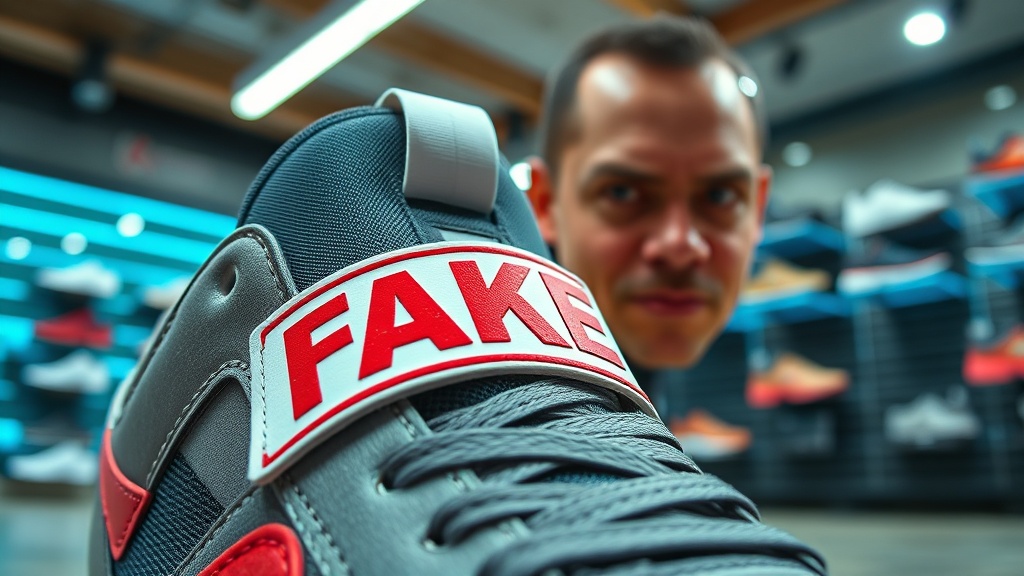
Sneaker Authenticity Audit: 5 Red Flags That Prove You’ve Been Duped

Ever paid $250 for a hype sneaker, only to discover the logo is slightly off and the sole feels like cheap rubber?
I’ve processed thousands of returns, and the worst part isn’t the price tag—it’s the embarrassment of walking around in a counterfeit that looks like a costume prop. Below is my fast‑track audit for spotting fake sneakers before you hand over your hard‑earned cash.
What Are the Most Common Red Flags That Reveal a Fake Sneaker?
1. **Is the Logo Too Perfect?
Authentic logos have minute imperfections: a subtle mis‑alignment, a specific font weight, or brand‑specific spacing. Counterfeit makers often use a "perfect" logo that looks mathematically exact.
Pro tip: Compare the logo on the shoe to a high‑resolution image from the brand’s official site. If the curves look too crisp, you’re probably looking at a fake.
2. **Does the Upper Material Feel Cheap?
Real sneakers use premium leathers, engineered mesh, or specific knit patterns. Fakes often substitute cheap polyester or low‑grade faux leather that feels plasticky.
Quick test: Run your fingers over the toe box and side panels. If it feels like a cheap plastic sheet, toss it.
3. **Are the Stitching and Glue Consistent?
Luxury brands obsess over stitch count, tension, and glue lines. Hand‑stitched details are tight and uniform; knock‑offs have loose, uneven stitches that fray quickly.
Why it matters: Poor stitching is the first sign of a shoe that will fall apart after a few wears.
4. **Is the Sole Pattern and Branding Accurate?
Sole patterns (e.g., the iconic “Waffle” on Nike or the “Boost” lattice on Adidas) are trademarked. Counterfeits often copy the shape but get the texture or branding wrong.
Check: Flip the shoe over and compare the tread pattern to an official product photo. Look for missing embossing, wrong font, or mismatched colors.
5. **Does the Box and Tag Match the Release?
Official releases come with a specific box design, QR code, and hang‑tag details (release date, SKU, colorway). Fake boxes are often generic, have low‑resolution graphics, or wrong SKU numbers.
Verification: Scan the QR code with the brand’s app (e.g., Nike SNKRS, Adidas Confirmed). If it won’t verify, you’ve got a knock‑off.
How to Verify a Sneaker Before You Click "Buy"
- Read the Product Description Thoroughly – Look for vague terms like "high‑quality" instead of specific material names.
- Search the Exact Model Name – Authentic listings include the season, style code, and material details.
- Inspect Photos for Detail – Zoom in on the logo, stitching, sole, and box. If the seller only provides low‑resolution images, ask for close‑ups.
- Cross‑Reference with Trusted Retailers – Compare price, design, and details with the brand’s official site or authorized dealers.
- Check Return Policies – A reputable seller will offer a clear, pre‑paid return label; shady policies are a warning sign.
Related Audits You Might Have Missed
- The Return Policy Audit: 5 Red Flags That Mean You’ll Get Stuck With Garbage — A deep dive into hidden return costs.
- Fake Designer Handbag Audit: 5 Red Flags That Mean You’re Duped — Spot counterfeit bags before you buy.
- The Shoe Autopsy: My Five‑Point Audit for Spotting Garbage Footwear — General footwear red flags.
- The Zip Audit: Why Your Favorite Jacket Fails Before It Gets Comfortable — Faulty zippers that ruin a garment.
- How to Spot Low‑Quality Fabric Before You Buy: 5 Red Flags — Fabric tricks brands hide.
Bottom Line
A fake sneaker isn’t just a waste of money—it’s a brand‑diluting nightmare that hurts genuine creators. Spot these five red flags, run a quick authenticity check, and you’ll keep your kicks—and your wallet—looking legit.
Got a counterfeit horror story? Drop it in the comments — I’ll add it to the next audit.