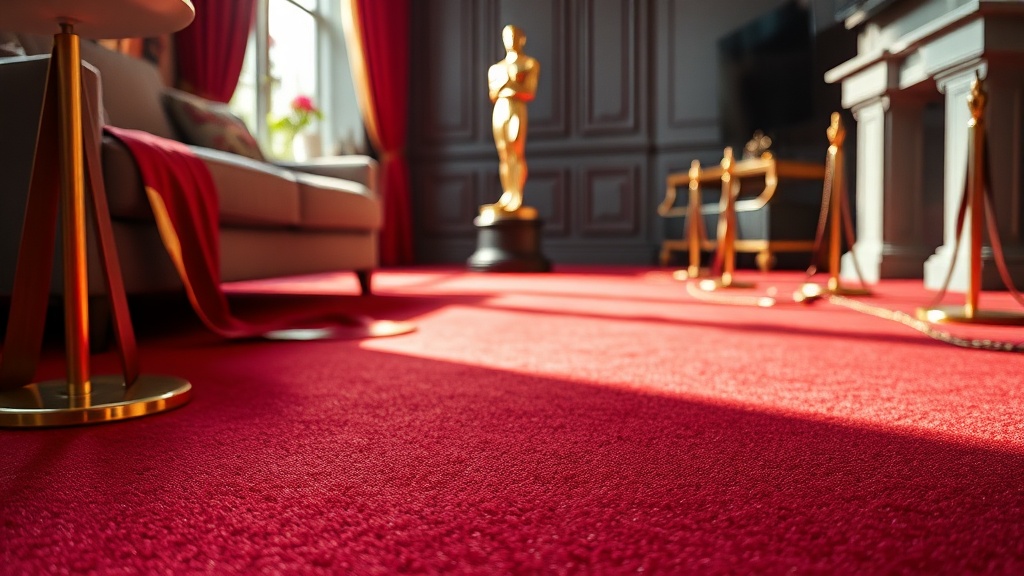
Oscar Leftovers to Luxe Flooring: Spring DIY Upgrade

What if the glittering ribbons and plush red‑carpet scraps from the Oscars could become the centerpiece of your living‑room floor? It sounds like a Hollywood fantasy, but the recent NYT story about Paige Thalia’s apartment proves it’s totally doable — and surprisingly affordable.
Spring is the perfect moment to shake off winter’s gloom and give your space a fresh, eco‑friendly facelift. Instead of buying brand‑new flooring, you can tap into the growing trend of up‑cycling high‑profile event leftovers. As a former returns specialist who’s seen thousands of “not as described” garments, I’ve learned that the best upgrades start with a critical eye for quality — and a willingness to hunt for the hidden gems that the fashion industry discards.
What Oscar‑night Materials Are Worth Repurposing?
Not every piece of ceremony debris is floor‑ready. Here’s the quick‑scan list I use when I’m scouting a post‑event dump:
- Red‑carpet fabric: Heavy, woven polyester that holds up to foot traffic when backed with a stabiliser.
- Wooden stage planks: Often reclaimed oak or maple, already sanded and sealed.
- Metal ribbons & trophies: Brass or gold‑plated strips that make stunning inlay accents.
- Velvet drapery swatches: Ideal for a plush runner or border.
Anything flimsy, glitter‑only, or heavily embroidered tends to peel or snag, so steer clear of those.
Where Can You Source Oscar Leftovers?
Here are three reliable avenues, each with a quick how‑to:
- Event‑recycling partners: Companies like Reuse It partner with Hollywood studios to collect post‑show waste. Sign up for their newsletter; they post weekly “surplus drops” that include carpet rolls and wood pallets.
- Industry‑trade auctions: Platforms such as PropWest auction off set pieces after award seasons. You can snag a batch of ribbons for under $200.
- Direct outreach: Shoot a polite email to the Academy’s official sustainability office. They’ve started a “Materials for Good” program that ships small samples to DIY enthusiasts.
Tip: Ask for a sample swatch before committing — you’ll avoid costly surprises.
How Do You Turn Those Materials Into Floor‑Ready Panels?
Below is my step‑by‑step recipe. I’ve stripped the jargon down to the essentials you need to know as a home‑owner, not a set‑designer.
Step 1 – Clean & Prep the Fabric
Give the red‑carpet or velvet a thorough vacuum, then wash it on a gentle cycle with a mild detergent. Once dry, iron the fabric on low heat to flatten any creases. For extra durability, I recommend a thin interlocking foam underlay — it adds cushion and prevents slipping.
Step 2 – Back the Fabric
Apply a water‑based adhesive (I use Titebond III) to a plywood substrate, then press the fabric onto it. Use a roller to eliminate bubbles. Let it cure for 24 hours.
Step 3 – Shape the Wood or Metal Accents
If you’ve secured stage planks, sand them lightly and seal with a low‑VOC polyurethane. For metal ribbons, cut them to desired lengths, then sand the edges to avoid sharp points. A simple steel‑wire brush does the trick.
Step 4 – Assemble the Floor
Lay the prepared panels in a staggered pattern, like a traditional hardwood floor. Insert the metal ribbons as inlays where you want a pop of shine — think a thin border around a coffee‑table area. Secure everything with a pneumatic floor nailer for a seamless finish.
Step 5 – Seal & Finish
Apply a final coat of water‑based floor sealer (I love Bob Vila’s top picks) to protect the fabric and metal from moisture. This also gives the floor a subtle sheen that mimics the original Oscar glamour.
Design Ideas That Feel Fresh for Spring
Now that the technical side is covered, here are three aesthetic routes you can take:
- Runway‑Runner: Lay a long strip of red‑carpet fabric down the centre of a neutral tile floor, creating a runway‑like focal point.
- Metal‑Mosaic Accent: Use thin gold ribbons to outline a modern geometric pattern — perfect for a minimalist loft.
- Hybrid Wood‑Fabric Patchwork: Alternate wood planks with fabric panels for a cozy, boho‑chic vibe that’s still sleek.
All three options work best in rooms with plenty of natural light, letting the spring sun highlight the textures.
Safety & Sustainability Checklist
Before you start swinging a hammer, run through this quick audit:
- Fire rating: Verify that any fabric you use meets a Class C fire‑resistance rating. Most polyester carpet does, but double‑check the label.
- Slip resistance: Apply a non‑slip underlayment if the floor will see heavy foot traffic.
- Environmental impact: Choose adhesives with low VOCs and source wood from FSC‑certified suppliers.
- Legal clearance: Some event leftovers are still copyrighted. A brief email to the Academy’s sustainability office secures your right to reuse.
Takeaway — Turn Hollywood Glitz into Your Spring Upgrade
Repurposing Oscar leftovers isn’t just a gimmick; it’s a concrete way to inject high‑style, low‑waste flair into your home. By sourcing responsibly, prepping carefully, and following the safety checklist, you’ll end up with a floor that tells a story — one that starts on the red carpet and ends in your living room.
Ready to give your space the ultimate spring makeover? Grab a sample of that leftover fabric, fire up your toolbox, and let the Oscars inspire your next DIY triumph.
For more on spotting quality fabrics, see my Low‑Quality Fabric Red‑Flags guide. If you’re curious about sustainable material sourcing, check out Green & Gorgeous sustainable picks. Need a quick DIY confidence boost? My Return Policy Audit breaks down what to look for before you commit to any purchase.