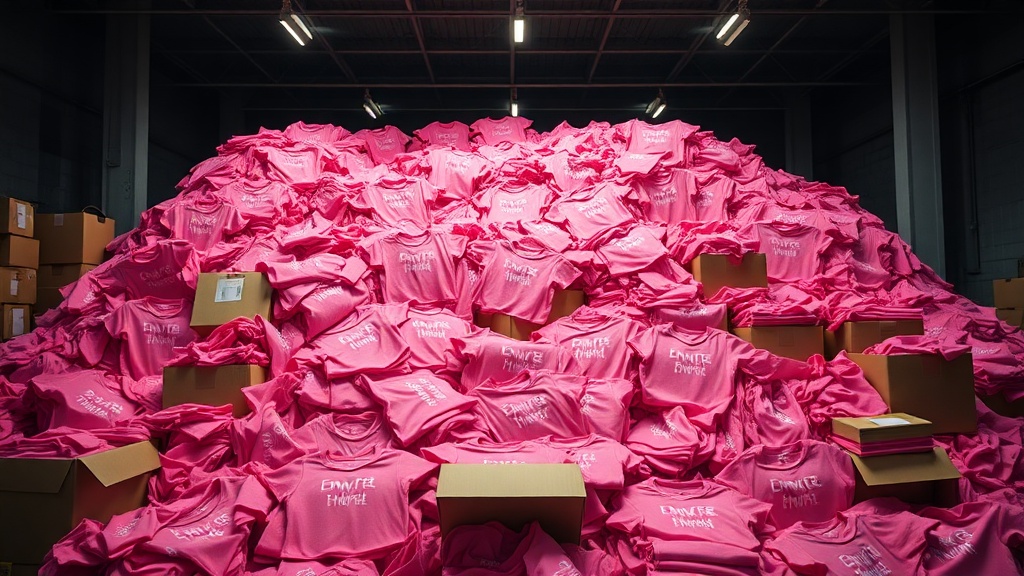
International Women's Day Is Marketing. Here's What Actually Helps Women in Fashion.

Every year, right around March 8, my inbox used to fill up with a specific kind of email from brands in our return pipeline.
Subject lines like: Celebrate the Women Who Made This Collection. Or: She Founded It. She Designed It. Shop Her Vision.
And every year, as I was logging returns from those same brands—tracking the crooked zippers, the shedding embroidery, the fabric that pilled after one wash—I would think: the women who actually made this have no idea their name is in a subject line right now.
That's IWD in fashion. A marketing window dressed as a movement.
The Campaign Launch Is Not the Point
Here's how it works: Starting around February 20, brands brief their content teams on International Women's Day assets. By March 5 (hi, right now), campaign emails are scheduled. By March 8, your feed is a wall of female portraits, limited-edition colorways, and copy that uses the word "empower" like punctuation.
What's happening simultaneously on the operational side? Nothing new. The same factories. The same margins. The same wage structures. The same QC teams processing the same volume.
The campaign does not change the operations. The campaign is the product.
I want to be precise about this: I'm not saying every brand doing IWD content is cynical to the bone. Some of them genuinely believe a limited-edition tote bag is progress. That's almost worse, actually—at least cynicism knows what it is.
The "Female-Founded" Asterisk (Read It Carefully)
There's a specific claim I want you to scrutinize this week: female-founded.
Founded is past tense. It tells you who started the company, not who runs it now, not who holds equity now, not who has decision-making authority now. It tells you who had the idea and the guts to launch.
That is genuinely impressive. It is not the whole story.
A lot of female founders—especially in fashion, where growth rounds are constant—are no longer majority stakeholders in their own brands by year five. Some are still CEOs with minority equity and a board that can override them. Some have been pushed entirely into "Creative Director" roles, which is fashion's way of saying: you still get to attend the shows, but you don't vote on anything that matters.
Spanx is the famous case everyone cites because Sara Blakely's story is extraordinary—she bootstrapped to a billion-dollar valuation without outside investment before the Blackstone acquisition, which is genuinely unusual in the industry. But the equity situation post-acquisition is its own conversation, and Spanx is the exception that proves how different the rule is everywhere else.
For most "female-founded" brands: look for current leadership. Look for who holds the majority of the cap table. Look for who makes the decisions on factory selection, on pricing, on whether to pay living wages or compress margins for shareholder returns.
If you can't find that information—and with most brands, you can't, because they don't publish it—then "female-founded" is a founding story, not a current operating reality.
The Women Nobody's Celebrating
Let me tell you about the roles I watched cycle through the return pipeline.
Not the CEO. Not the Creative Director. Not the "female designer" whose name is in the IWD email.
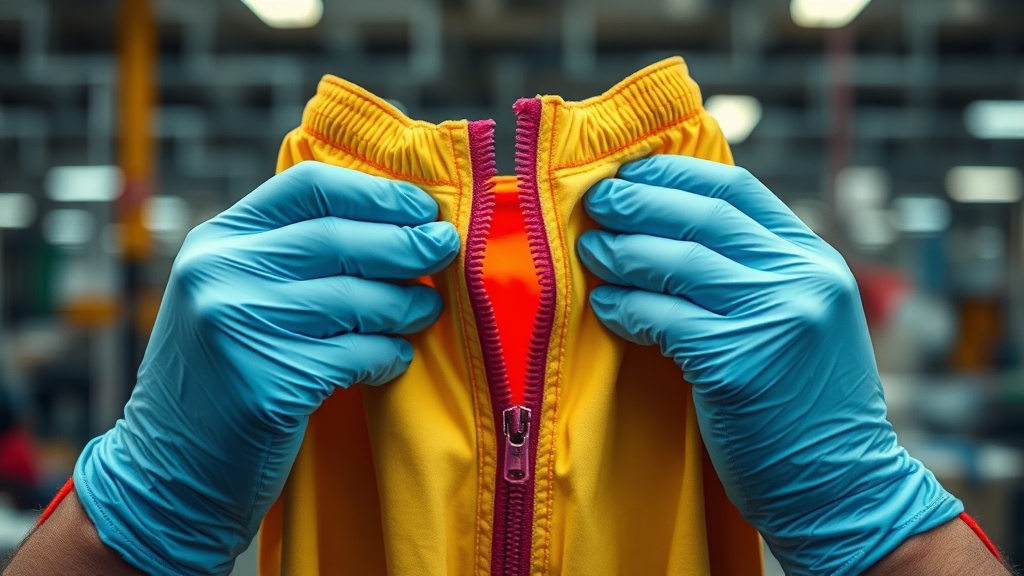
The pattern maker who drafts the initial garment specifications and catches the majority of fit issues before they ever reach a prototype. The pattern maker who, in every facility I had visibility into, was almost never the person whose name made it into a brand's "meet our team" feature.
The sample maker who constructs the first physical version of a garment and flags construction problems that will become return reasons six months later. The sample maker who, when ignored, watches those exact problems ship to consumers. I saw this happen. Repeatedly.
The QC inspector—the person who is literally paid to catch flaws before they reach you—who has her findings systematically overridden when a brand is behind on seasonal launch dates. Because the margin on a slightly defective run is still better than the margin on a delayed launch. These are not hypotheticals. These are patterns I observed across multiple brands' return data over three years.
The garment industry employs a high proportion of women globally—this is cited consistently across ILO reports, academic labor research, and industry audits, though the specific figures vary significantly by region, production tier, and how "garment work" is defined. The point isn't a single statistic; it's the structural reality underneath one: these aren't entry-level roles you tolerate until something better comes along. Pattern making and quality control are skilled technical functions. They require training, experience, and judgment. And they are almost entirely invisible in the marketing.
(The industry-wide context above is well-documented. What I said about those technical roles being systematically ignored in IWD campaigns—that's my observation from three years in the pipeline, not an independently verifiable claim. But it's what I watched.)
These women are not in the March 8 campaign. They're processing the order volume generated by the March 8 campaign.
The "Ethical Brand" Paradox, Explained by Someone Who Saw Their Returns
There's a specific type of brand I need to address: the women-focused "ethical" brand. The ones whose website has a "Our Values" page with a lot of language about empowerment, sustainability, and conscious consumption.
I processed returns from several of them.
Here is what I can tell you from what I personally observed: the failure modes were not meaningfully different from conventional brands at comparable price points. The same fabric composition misrepresentations. The same construction problems. The same fit inconsistencies. I'm not presenting this as a controlled study—I'm telling you what I saw in the return data I handled. But I saw it enough, consistently enough, that it permanently changed how I read "ethical" branding.
What was different was the price premium. And the marketing—specifically the way the marketing made customers feel that purchasing was an act of values alignment rather than just purchasing a product.
That is a more sophisticated version of the same trick. If a fast fashion brand gets you to buy something you don't need by making you feel trendy, and an "ethical" brand gets you to buy something you don't need by making you feel like a feminist, the outcome is identical: you bought something you didn't need.
The garment still exists. The supply chain still exists. The return still happens. The landfill still receives the item.
Virtue doesn't live in a transaction.
What Actually Moves the Needle
I want to give you something useful, not just a critique. Because if I just break things down without building anything, I'm doing the same thing the brands do—using this moment for attention without producing change.
Here's what actually changes outcomes for women in fashion, based on three years of watching what happens when brands get it wrong:
Wage audits, not campaigns. March 8 is a perfect date to demand that brands publish their internal wage equity reports—not "we believe in equal pay" copy, but actual data. What do female QC managers earn versus male operations managers at the same level? This information exists. Brands choose not to share it.
Supply chain transparency on actual labor costs. If a brand publishes their factory partners (some do now, post-forced-labor legislation pressure), go look at those factories' documented labor practices. Not the brand's summary of those practices. The primary source.
Leadership pipeline, not founder narrative. Ask not who founded a brand but what percentage of VP-and-above roles are held by women who came up through technical and operational roles—not just marketing and brand. Pattern making and QC experience at leadership levels changes what gets built and how it gets built. The sample maker who got promoted to Head of Product Development is going to catch the construction problems before launch. The marketing VP won't.
Don't buy to feel feminist. I'm going to say this plainly because I think it needs to be said plainly: purchasing a "limited edition IWD collection" is not an act of solidarity with garment workers. It is purchasing a product. There's nothing wrong with purchasing products you need. There's a lot wrong with purchasing products you don't need because a campaign framed it as activism.
If you want to do something on March 8: share wage audit demands. Support the Garment Worker Protection Act and its equivalents globally. Learn the names of pattern makers and QC inspectors at brands you buy from—or at least acknowledge that they exist and that their labor is in the seam of every garment you own.
The Actual Ask
If you buy from a "women-founded" brand this week, verify the claim before you check out. Who currently holds majority equity? Who sits on the board? Who makes operational decisions?
If you work in fashion—at any level—push for March 8 wage audits at your company. Not a social post. A wage equity report. It is reasonable to ask. It is legal to ask. It is specifically the kind of thing that IWD should be for.
And if a brand emails you this week with subject line copy about empowerment and a limited-edition pink something in the preview image: you don't have to be angry. But you are allowed to recognize it for what it is.
The women who actually made the clothes in that email are not in the email.
That's the thing worth sitting with this International Women's Day.
Sloane Vance spent three years as a Returns Specialist processing e-commerce returns before starting fashionhauls.blog. She writes about what brands don't want you to know before you buy.