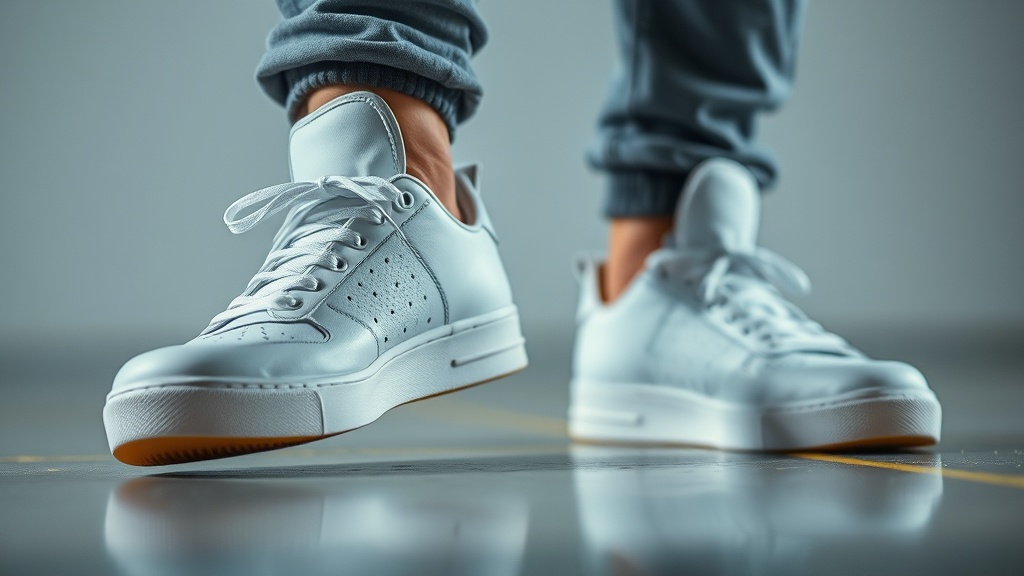
How to Keep Your White Sneakers From Yellowing

The Science of the Yellow Stain
Oxidation and UV exposure are the primary culprits behind the dreaded yellowing of white sneakers. While most people assume it is just "dirt," the discoloration is often a chemical reaction occurring within the materials themselves. Whether you are wearing a pair of classic Common Projects Achilles Lows or a budget-friendly Stan Smith, the degradation of the rubber sole or the canvas upper is an inevitable result of environmental factors. This guide provides a technical breakdown of how to prevent, treat, and manage the aging process of your white footwear to ensure you aren't throwing away money on shoes that look "old" after only three months of wear.
Understanding the "why" is the first step in prevention. Yellowing occurs through three main channels: oxidation of the rubber, UV radiation breaking down chemical bonds, and improper drying techniques. If you have ever finished washing a pair of white canvas sneakers only to find them with a strange yellow rim around the edge, you haven't just failed at cleaning—you have likely failed at the drying process. This post will detail exactly how to navigate these chemical realities to keep your footwear looking crisp.
Prevention: The Proactive Approach
The most effective way to deal with yellowing is to stop it before it starts. As someone who has seen thousands of "defective" returns that were actually just poorly maintained items, I can tell you that prevention is significantly easier than restoration. If you want to maintain the integrity of your footwear, you need to control the environment in which they live.
1. Use Protective Sprays Strategically
Before your first wear, apply a high-quality water and stain repellent. For leather sneakers, look for products like Jason Markk Repel or Crep Protect. These create a microscopic barrier that prevents liquids and oils from penetrating the surface. For canvas or mesh, the barrier is slightly different, but the goal remains the same: keeping external contaminants away from the fibers. Do not over-apply; a fine mist is sufficient. Excessive buildup can actually trap moisture inside the material, which leads to the very oxidation issues we are trying to avoid.
2. Manage UV Exposure
Sunlight is the enemy of white rubber. The UV rays trigger a process called photodegradation, which breaks down the polymer chains in the midsoles. If you leave your sneakers on a balcony or near a sunny window, they will yellow. When you are not wearing them, store them in a cool, dark, and dry place. If you are traveling, keep them inside a dust bag rather than leaving them exposed in a bright hotel room or a sun-drenched car trunk.
3. Avoid the "Wet Wash" Trap
The biggest mistake consumers make is submerging their shoes in a washing machine or a bucket of water. While it feels like you are getting them "deeper" clean, you are actually saturating the internal padding and the glue layers. When moisture gets trapped deep inside the structure, it takes much longer to evaporate, creating a breeding ground for yellowing. Instead of a full soak, use targeted cleaning methods.
The Cleaning Toolkit: What Actually Works
To clean white sneakers without causing damage, you need to move away from harsh household chemicals and toward specialized footwear care. Using bleach or heavy-duty laundry detergents is a recipe for disaster; these substances are often too alkaline and can actually accelerate the yellowing of the rubber.
- Soft-Bristled Brush: A medium-stiff brush is too aggressive for leather and will create micro-scratches. Use a soft-bristled brush (like those from Jason Markk or Saphir) to lift dirt without abrading the surface.
- Microfiber Cloths: These are essential for lifting the "dirty water" away. If you use a brush and don't wipe the residue away immediately, you are just moving the dirt back into the pores of the material.
- Magic Erasers (For Rubber Only): Melamine sponges, commonly known as Magic Erasers, are highly effective for the rubber midsoles of sneakers like Nike Air Force 1s. However, use them sparingly and never on the leather or suede parts of the shoe, as they are essentially ultra-fine sandpaper.
- Baking Soda and Mild Detergent: For canvas shoes, a paste of baking soda and a tiny amount of mild liquid soap can lift stains. Avoid using pure bleach, as it often leaves a permanent yellow tint once the material dries.
Step-by-Step: How to Clean Without Yellowing
Follow this protocol to ensure you aren't inadvertently damaging your shoes during the cleaning process.
For Leather Sneakers (e.g., Alexander McQueen, Veja)
- Dry Brush: Use a dry, soft brush to remove loose dirt and dust. This prevents you from turning dust into mud once you add liquid.
- Apply Solution: Dampen a microfiber cloth with a specialized sneaker cleaner or a very mild, pH-neutral soap solution. Do not soak the shoe.
- Gentle Wiping: Wipe the leather in circular motions. If there is a scuff, use a slightly more targeted pressure, but do not scrub aggressively.
- The "Damp Wipe" Finish: This is the most important step. Take a second cloth, dampened with only plain water, and wipe the entire shoe to remove any soap residue. Leftover soap is a primary cause of discoloration.
For Canvas Sneakers (e.g., Converse Chuck Taylors)
- Spot Clean: Use a mixture of baking soda and a tiny amount of water to create a paste. Apply it to the stained areas.
- Scrub Lightly: Use a soft toothbrush to work the paste into the weave of the canvas.
- Rinse Thoroughly: Use a damp cloth to lift the paste out. Ensure there is no gritty residue left in the fabric.
The Drying Protocol: The Most Critical Phase
If you ignore everything else in this post, pay attention to this: how you dry your shoes determines if they will turn yellow. Most people see a wet shoe and think, "I'll just leave it by the radiator" or "I'll put it in the sun to dry faster." This is a catastrophic error. High heat accelerates the oxidation of the rubber and can cause the glue in the construction to fail. It also forces the moisture to evaporate too quickly from the surface, leaving a yellow ring of residue behind.
The Correct Way to Dry:
- Stuff the Shoes: Use plain white paper towels or uncolored shoe trees to stuff the inside of the sneakers. This absorbs moisture from the inside out and helps the shoe maintain its shape. Never use newspaper, as the ink will transfer to the lining and ruin the interior.
- Air Dry at Room Temperature: Place your shoes in a well-ventilated area away from direct sunlight and heat sources. A cool corner of a room is perfect.
- The "Towel Wrap" Method: For canvas shoes that have been heavily cleaned, wrap the entire shoe in white paper towels while they are still damp. The towels will "wick" the moisture and any remaining impurities out of the fabric as it dries, preventing that yellow edge.
When to Retire Your Sneakers
As a former returns specialist, I see a lot of people trying to "fix" shoes that are actually past their prime. There is a limit to what cleaning can do. If the yellowing is happening inside the midsole—meaning the color is changing from the inside of the foam out—it is a sign of structural degradation. This is not a surface stain; it is the material itself breaking down due to age and use. At this point, no amount of cleaning or specialized products will restore the brightness. If the sole is crumbling or the yellowing is accompanied by a loss of structural integrity, it is time to stop investing in them and move on to a new pair.
Maintaining high-quality footwear is an investment in your personal style and your wallet. By treating your sneakers with the technical respect they require—focusing on UV protection, gentle cleaning, and controlled drying—you can extend the life of your most essential wardrobe staples for years rather than months.
Steps
- 1
Remove Laces and Dust Off Loose Dirt
- 2
Create a Gentle Cleaning Solution
- 3
Scrub Gently with a Soft Brush
- 4
Rinse and Air Dry Away From Sunlight