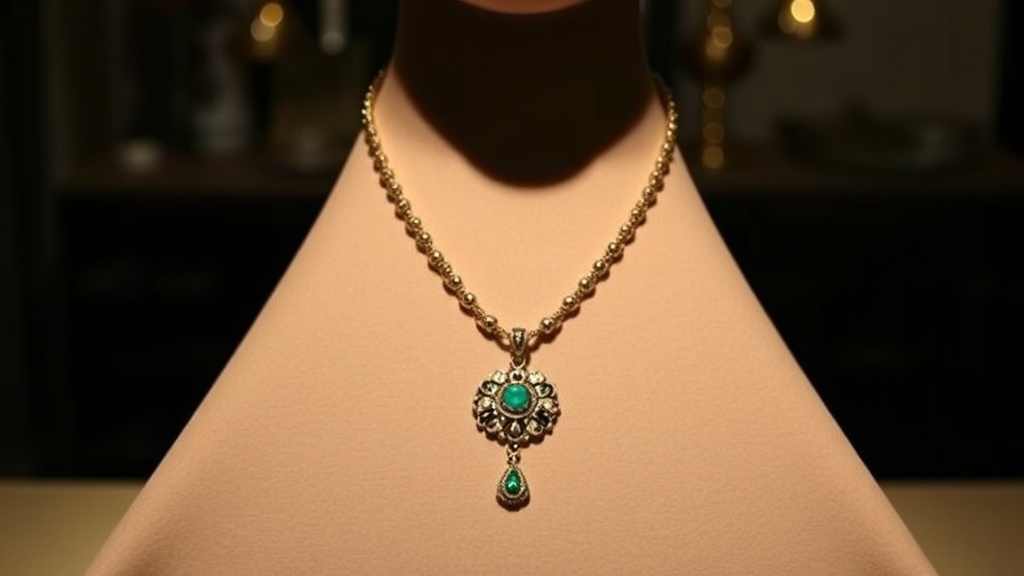
How to Build a Jewelry Collection That Actually Goes with Everything

Stop Buying "Statement" Jewelry That Only Works Once
Most people believe that building a jewelry collection requires a massive budget or a drawer full of "statement" pieces that demand a specific outfit to function. This is a misconception that leads to cluttered jewelry boxes filled with tarnished brass and cheap alloys that turn your skin green within three wears. A functional jewelry collection isn't about volume; it is about a strategic hierarchy of metals, weights, and silhouettes that can be layered across different aesthetics. This guide outlines how to curate a collection of high-quality, versatile pieces that actually earn their keep, rather than becoming expensive clutter.
The goal is to move away from the "trend-chasing" cycle of fast-fashion jewelry—the kind of stuff you find in a checkout aisle at a big-box retailer—and move toward a modular system. When you own the right foundational pieces, you can transform a basic white tee into a polished look or a casual sweater into an evening outfit without having to buy a new accessory every time. We are focusing on durability, metal quality, and versatility.
Identify Your Base Metal and Stick to It
The biggest mistake consumers make is buying a mix of gold-plated, silver-toned, and rose gold pieces without a plan. While you can eventually learn how to mix metals without looking messy, your initial collection should be built around a single dominant metal. This creates a cohesive visual language in your jewelry box and makes layering much simpler.
When choosing your base metal, look past the marketing terms like "gold-filled" or "vermeil" and look at the actual composition. If you are shopping at a high street brand, "gold-plated" usually means a microscopic layer of gold over a base metal like brass or copper. This will inevitably wear off. Instead, look for 14k gold vermeil or sterling silver. These have a thicker layer of precious metal that can withstand daily wear. If you are on a budget, stick to stainless steel with a PVD (Physical Vapor Deposition) coating. Stainless steel is incredibly durable, hypoallergenic, and much harder to tarnish than the cheap zinc alloys found in fast-fashion jewelry.
The Four Pillars of a Versatile Collection
To avoid the "nothing to wear" feeling when accessorizing, you need to categorize your purchases into four specific tiers. Each tier serves a different purpose in your daily rotation.
1. The Daily Essentials (The Foundation)
These are the pieces you never take off. They should be lightweight, durable, and subtle enough to wear with a gym set or a professional blazer. Examples include:
- Small Hoop Earrings: Avoid the massive, oversized hoops that snag on hair or clothing. Opt for a 10mm to 15mm hollow gold hoop or a solid sterling silver huggie.
- A Simple Chain: A 16-inch or 18-inch cable chain or a delicate herringbone chain is essential. It provides a base for layering without being distracting.
- Stud Earrings: A pair of high-quality diamond or cubic zirconia studs, or even simple gold balls, are non-negotiable.
2. The Layering Pieces (The Texture)
Once your foundation is set, you need pieces that add dimension. These are slightly more visual than your essentials but still maintain a cohesive look. This is where you introduce different textures and lengths.
- Pendant Necklaces: A single pendant on a slightly longer chain (20-22 inches) breaks up the neckline. Think of a coin pendant or a geometric shape.
- Textured Rings: Instead of a single large ring, look for thin, stackable bands with different textures—one hammered, one smooth, and one twisted.
- Medium Hoops: These are larger than your daily huggies but still manageable for a coffee date or a casual office setting.
3. The Statement Pieces (The Impact)
These are the pieces that define an outfit. You should only own 3-5 high-quality statement pieces. These are the items that would work well when using 7 statement jewelry pieces to transform your basic white tee. They are higher in weight and more visually complex.
- A Chunky Chain Necklace: A heavy curb or link chain adds immediate weight to a plain sweater or a button-down shirt.
- Architectural Earrings: Think bold, sculptural shapes—large gold teardrops or thick resin hoops.
- A Bold Cuff Bracelet: A solid metal cuff provides a structured look that works well with long-sleeved garments.
4. The Occasion Pieces (The Investment)
These are the pieces you save for weddings, formal dinners, or high-stakes meetings. They are often more expensive and require more care. This is where you move into solid gold or high-grade gemstones. A classic pearl strand or a high-quality watch is a perfect example of an occasion piece that never truly goes out of style.
The Quality Checklist: How to Spot Garbage
As someone who has processed thousands of returns for "damaged" or "tarnished" jewelry, I can tell you that most of the issue is a lack of consumer due diligence. Before you click "buy," run the product through this checklist to ensure you aren't buying something that will be in a landfill in three months.
- Check the Weight: If you are buying in person, pick it up. If a "gold" necklace feels incredibly light and airy, it is likely a hollow, thin-walled piece that will snap easily. Solid or high-quality vermeil will have a perceptible weight.
- Read the Material Breakdown: If the description just says "Gold Tone" or "Gold Color," do not buy it. "Gold tone" is a legal way of saying it is cheap metal with a colored coating that will rub off. Look for "14k Gold Vermeil," "925 Sterling Silver," or "18k Gold Plated over Stainless Steel."
- Inspect the Clasp: A weak clasp is a sign of poor manufacturing. A lobster claw clasp is generally more secure and durable than a spring ring clasp. If the clasp feels flimsy or "scratchy," the entire piece is likely low-quality.
- Look at the Backings: For earrings, check the butterfly backs or the screw backs. If they are made of thin, flimsy wire, they won't hold your earrings securely, and you'll end up losing them.
Maintenance and Longevity
Even high-quality jewelry requires care. One of the fastest ways to ruin a collection is through improper storage and chemical exposure. You cannot treat your jewelry like your clothing; you cannot simply throw it in a pile on your dresser.
The Golden Rule: Put your jewelry on after your perfume, hairspray, and lotion have dried. The chemicals in these products are the primary cause of premature tarnishing in plated jewelry. If you are wearing a silk blouse, be particularly careful with necklaces that have sharp edges or heavy pendants, as they can snag the delicate fabric. For more on garment care, see my guide on how to avoid ruining your silk.
Storage Solutions: Avoid keeping all your jewelry in one large, tangled heap. This leads to microscopic scratches and broken links. Use a dedicated jewelry box with individual compartments, or even small airtight silicone bags for your more delicate pieces. This prevents oxidation by limiting the amount of air and moisture the metal is exposed to.
Building Your Collection: A Practical Timeline
Do not attempt to buy a full "collection" in one weekend. That is how you end up with a drawer of mismatched, low-quality items. Instead, build in stages:
- Month 1-2: Focus on the Foundation. Buy your daily hoops, your basic chain, and your stud earrings in your chosen base metal (e.g., Sterling Silver).
- Month 3-5: Add the Layering Pieces. Find two necklaces of different lengths and a set of stackable rings.
- Month 6+: Invest in one high-quality Statement Piece. This is your reward for building a solid base.
By following this tiered approach, you ensure that every piece you own serves a purpose. You will stop the cycle of buying "cheap and cute" jewelry that ends up in the trash, and start building a curated collection that actually elevates your style every single day.
Steps
- 1
Choose Your Primary Metal
- 2
Invest in Everyday Staples
- 3
Mix Textures and Shapes
- 4
Layer with Intention