Fast Fashion Killed Thrifting. I Spent a Weekend Proving It.

I used to find incredible stuff at thrift stores. A wool J.Crew blazer for $8. A pair of Levi's 501s that fit like they were tailored. A silk blouse with French seams that somebody's grandmother probably wore to church for 20 years. Those days are functionally over, and I need to talk about why.
The Racks Are Full of Garbage Now
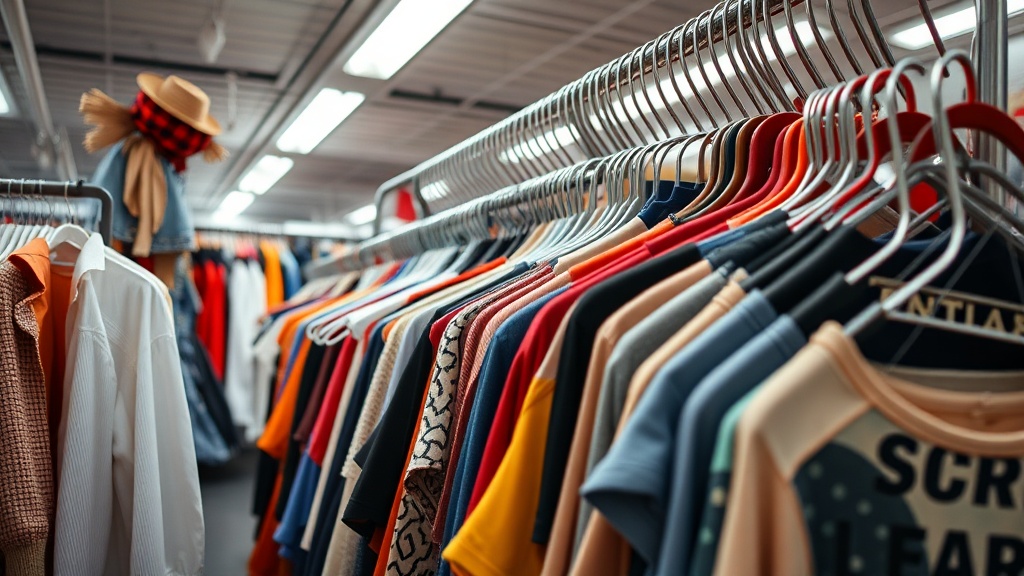
Last weekend I spent three hours at four different Goodwill locations across Chicago. I wasn't filming. I wasn't doing a "haul." I was genuinely trying to find a decent spring jacket. What I found instead was rack after rack of Shein bodysuits with pilling, Fashion Nova crop tops with busted seams, and Amazon Essentials tees so thin you could read a newspaper through them. These items survived exactly one owner — barely — and now they're clogging the secondhand supply chain.
This isn't anecdotal. A Yale study published in Nature confirmed what anyone who's actually browsed a Goodwill in the past two years already knows: the quality of secondhand clothing is in freefall. Faculty at Virginia Commonwealth University's fashion department say they've watched it happen in real time. The golden age of thrifting? It was killed by $4 tank tops.
The Math Doesn't Work Anymore
Here's what nobody doing thrift haul content wants to reckon with: when the average fast fashion garment is built to survive maybe 10 wears, and people donate it after 3, what exactly do you think you're buying at the thrift store? You're buying a garment with 7 wears left in it — if you're lucky. More likely, you're buying something that was already falling apart when the original owner gave up on it.
I pulled a $5 blazer off a Goodwill rack last Saturday. Cute cut, decent color. I checked the seams — the lining was already separating at the shoulder. The buttons were that lightweight plastic that snaps if you look at it wrong. The fabric had that crunchy, coated feel that means it was cheap polyester masquerading as something structured. This blazer wasn't thrifted. It was abandoned.
Thrift Haul Culture Is Just Fast Fashion With a Moral Alibi
I have a specific problem with the influencers who film themselves loading up a cart with 30 secondhand items and calling it sustainable. A Yale researcher literally described this as "moral licensing" — you feel virtuous buying secondhand, so you give yourself permission to buy more. You're not reducing waste. You're just adding a middleman between the factory and the landfill.
The study found that people who buy primarily secondhand actually get rid of their clothes faster than people who buy new. Think about that. The "sustainable" shoppers are churning through their wardrobes at a higher rate than the people they're supposedly more responsible than.
And here's the part that genuinely makes me angry: buying 30 thrifted items doesn't reduce your fast fashion purchases. The research shows people do both. They thrift AND they hit H&M. The thrifting just becomes one more channel for overconsumption.
Where Does All That "Donated" Clothing Actually Go?
Because it doesn't just sit on the Goodwill rack waiting for its forever home. A massive amount of donated clothing — especially the stuff too damaged or cheap to resell — gets exported. It gets shipped to recycling factories in places like Panipat, India, where workers as young as 30 are developing chronic lung disease from shredding synthetic fibers. Or it ends up in landfills in Ghana, Kenya, and Pakistan.
That $6 Shein dress you donated to feel good about yourself? There's a real chance it's now contributing to someone's occupational lung damage on the other side of the planet. That's not sustainability. That's just outsourcing the consequences.
What I Actually Do Instead
I haven't quit thrifting entirely. But I've changed how I do it, and you should too.
1. I only buy things I'd pay full retail for. If I wouldn't spend $60 on this blazer at a regular store, I don't spend $8 on it at Goodwill. The price being low isn't a reason to buy something. That's literally the same trap fast fashion uses — just with a different storefront.
2. I do the full quality check. Seams, fabric weight, zipper function, button security. If it fails any of my checks, it stays on the rack. I'm not buying someone else's problem.
3. I stopped going to Goodwill for clothes and started going to estate sales. Estate sale clothing is from a completely different era of garment construction. The quality gap is staggering. A blouse from someone's closet who bought it in 1995 is built like a tank compared to anything manufactured after 2018.
4. I buy less. Period. I walked out of those four Goodwills with zero items. Not because I was being disciplined — because nothing was worth buying. The correct number of bad purchases is zero, regardless of the price.
The Real Question Nobody's Asking
Before you buy anything secondhand, ask yourself what a Yale researcher suggested as a litmus test: Will I wear this more than 30 times? Will I still want it in five years? Do I already own something similar?
If you can't answer yes to all three, put it back. The planet doesn't need you to buy a $4 dress twice — once from Shein and once from Goodwill.
Thrifting used to be a genuine alternative to the fast fashion machine. Now it's just another stop on the same conveyor belt. The clothes are worse, the racks are more crowded, and the only people winning are the ones selling you the fantasy that buying more stuff — any stuff — is the answer.
It's not. Buying less is. And I say that as someone who literally makes content about buying clothes.