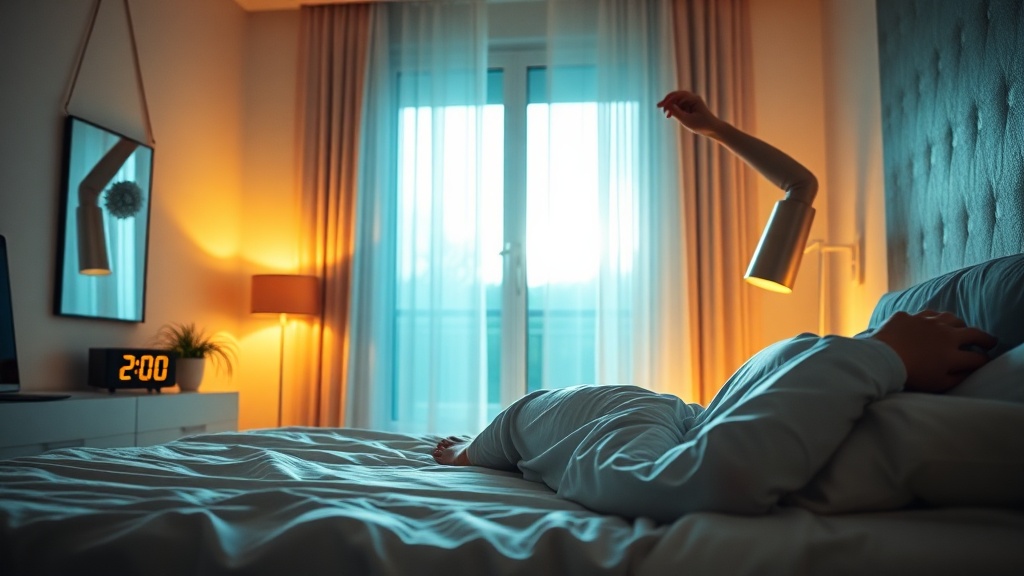
Daylight Saving Time Shift: Sleep‑Friendly Tips for March 2026

Does the thought of losing an hour of sleep make you cringe? You’re not alone—when daylight saving rolls around, many of us stumble through groggy mornings and restless nights. But what if you could flip the switch and actually gain better rest?
On March 9, 2026 the clocks jump forward an hour. That tiny shift can throw off your internal clock, leaving you feeling like a zombie at work. The good news? A few strategic moves can smooth the transition, keeping your sleep hygiene intact and your energy levels high.
Why does daylight saving affect my sleep?
Daylight saving time (DST) nudges the sun‑rise hour later, confusing the circadian rhythm that regulates hormones, body temperature, and melatonin production. When the light cue changes, your body takes 1‑3 days to re‑align, often resulting in shorter REM cycles and lower sleep efficiency.
What are the biggest sleep disruptions when the clocks change?
- Delayed melatonin release: Dark‑to‑light cues shift, delaying the hormone that tells you it’s bedtime.
- Reduced sleep window: Losing an hour can compress your usual 7‑9 hour window, especially if you keep the same bedtime.
- Morning grogginess: Early light exposure hits before your body is ready, leading to sluggishness.
How can I adjust my schedule before the change?
- Shift bedtime by 15 minutes: Starting three nights before DST, go to bed 15 minutes earlier each night. By the time the clocks jump, you’ll already be on a new schedule.
- Advance wake‑up time: Pair the bedtime shift with a matching 15‑minute earlier alarm. Consistency beats a sudden one‑hour jump.
- Expose yourself to morning light: Open curtains or step outside within 30 minutes of waking. Natural light cues reset the internal clock faster (Sleep Foundation).
- Limit caffeine after 2 PM: Caffeine’s half‑life can keep you wired when you need to wind down.
- Stay consistent on weekends: A regular schedule prevents the “social jetlag” effect that amplifies DST fatigue.
What bedtime rituals help reset my circadian rhythm?
Rituals signal to your brain that it’s time to wind down. Try one or more of these:
- Dim the lights an hour before bed; use amber bulbs to reduce blue‑light exposure.
- Take a warm shower or bath—body temperature drops afterward, cueing sleep.
- Practice a 5‑minute mindfulness or breathing exercise (Mindful.org).
- Read a physical book rather than scrolling on a phone.
Should I use a sleep tracker during the transition?
Yes, but with a purpose. Track sleep duration and sleep‑stage percentages for a week before and after the shift. If you notice a dip below 85 % sleep efficiency, double‑down on the morning light exposure and bedtime consistency. Avoid obsessing over nightly fluctuations—focus on the overall trend.
What about diet and exercise?
Light exercise (e.g., a 20‑minute walk) in the late afternoon can boost sleep pressure without overstimulating the nervous system. Avoid heavy meals within two hours of bedtime, as digestion can delay melatonin release.
Quick recap
1️⃣ Start shifting bedtime/wake‑up 15 minutes earlier three nights before DST.
2️⃣ Prioritize morning sunlight exposure.
3️⃣ Dim lights, limit caffeine, and add a calming bedtime ritual.
4️⃣ Use a sleep tracker to monitor efficiency, not perfection.
5️⃣ Keep weekends consistent to lock in the new rhythm.
Ready to breeze through the clock change? Implement these steps tonight and wake up refreshed on March 10.
Related reading
- Bio‑Harmony: 10 Eating Patterns Syncing with Your Body Clock – How meal timing interacts with circadian health.
- Spring Longevity Hacks: 3 Science‑Backed Moves for 2026 – Seasonal health tweaks that pair well with DST adjustments.
- 5 Smart Fabric Products That Actually Deliver (2026 Review) – Comfortable sleepwear that can improve night‑time comfort.