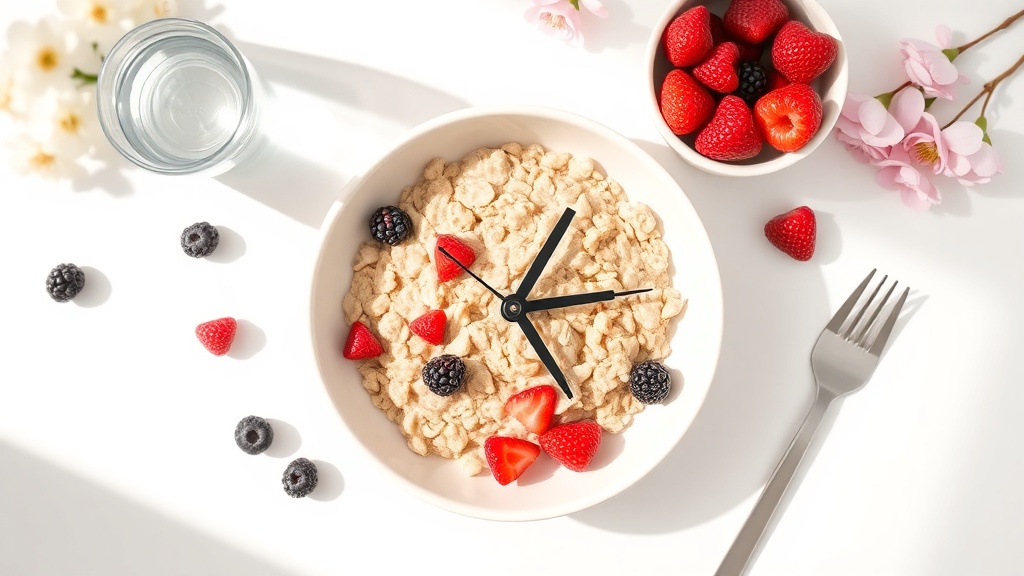
Bio‑Harmony: Align Your Eating Patterns with Your Circadian Rhythm

Ever feel like you’re constantly fighting a clock that’s set to the wrong time? I’ve seen dozens of returns where the fit was perfect but the wearer kept complaining about “energy crashes” after lunch. The culprit? Eating at the wrong hour.
When your meals line up with your body’s natural circadian rhythm, you’ll notice smoother digestion, steadier energy, and even better sleep. Let’s break down the science and give you a quick‑hit plan to get your eating schedule in sync this spring.
Why Does Your Body Clock Matter for Eating?
Research shows that mistimed meals throw off peripheral clocks in the liver, gut, and fat cells, leading to higher insulin resistance and weight gain (Eating around the clock, 2022). In short, your stomach has its own schedule, and when you ignore it, the whole metabolic orchestra goes off‑beat.
What Are the Core Principles of Bio‑Harmony?
Think of bio‑harmony as three simple rules:
- Eat within a consistent daily eating window (usually 8‑10 hours).
- Place the largest meal earlier in the day when your metabolism peaks.
- Avoid heavy foods after sunset, when cortisol drops and digestion slows.
How Long Should My Eating Window Be?
Most studies point to a 10‑hour window (e.g., 8 am‑6 pm) as the sweet spot for healthy adults (Frontiers, 2024). If you’re a night‑owl, you can shift the window later, but keep it consistent.
When Should I Eat My Biggest Meal?
Breakfast or early lunch should carry the bulk of your calories. A 2025 review found that front‑loading calories improves glucose tolerance and reduces evening cravings (Wiley, 2025). Aim for 50‑60 % of daily calories before 2 pm.
Why Avoid Heavy Night Meals?
After sunset, cortisol levels dip and melatonin rises, signaling your body to wind down. Eating a big, carb‑heavy dinner at this time can blunt melatonin, making it harder to fall asleep and promoting fat storage (Springer, 2025). Stick to light proteins, veggies, and healthy fats after 7 pm.
How Can I Implement Bio‑Harmony This Spring?
Here’s a no‑fluff, step‑by‑step guide you can start tomorrow.
- Pick Your Window. Decide on an 8‑10 hour span that fits your schedule. I like 7 am‑5 pm because it lets me finish work before dinner.
- Set a Meal Clock. Use a kitchen timer or phone alarm to mark the start and end of your eating window. Treat it like a return deadline—no exceptions.
- Front‑Load Breakfast. Make a protein‑rich breakfast (egg‑white scramble, oats, berries). Aim for 25‑30 % of daily calories.
- Midday Power Lunch. Include complex carbs (sweet potato, quinoa) and lean protein. This is your metabolic peak.
- Light Evening Snack. Keep it under 200 calories—think Greek yogurt or a handful of nuts.
- Track & Adjust. Use a simple spreadsheet or a free app to log meal times for a week. If you notice energy dips, tighten the window by an hour.
Pro tip: I keep a “Meal‑Clock” sticker on my fridge. When I’m tempted to snack after 7 pm, the sticker reminds me I’m breaking bio‑harmony.
What About Social Situations?
Don’t let a dinner party sabotage your rhythm. Choose a light appetizer, sip water, and aim to finish the main course before your window closes. If you must eat later, keep the portion tiny and protein‑focused.
Quick Recap
Aligning meals with your circadian clock is a low‑cost, high‑impact upgrade for your health. Pick a consistent eating window, front‑load calories, avoid heavy night meals, and track your results. Your body (and your wallet) will thank you.
Ready to test it out? Grab a timer, set your window, and let the bio‑harmony begin.
Related Reading
- Bio‑Harmony: 10 Eating Patterns Syncing with Your Body Clock – a deeper dive into specific meal‑timing strategies.
- Spring Clean Your Lifestyle: 5 Science‑Backed Habits to Boost Longevity This March – how meal timing fits into a broader longevity plan.
- Spring Longevity Hacks: 3 Science‑Backed Moves for 2026 – quick‑hit health hacks you can pair with bio‑harmony.
Want more evidence? Check out the studies linked throughout this post. As of March 2026, the science is solid—just start syncing.
[meta.faqs] { "faqs": [ {"question": "What is circadian rhythm?", "answer": "It’s your body’s 24‑hour internal clock that regulates hormone release, metabolism, and sleep‑wake cycles."}, {"question": "How does meal timing affect metabolism?", "answer": "Eating when your body’s metabolic hormones are high (morning‑early afternoon) improves glucose handling and reduces fat storage."}, {"question": "What are practical ways to align meals with my body clock?", "answer": "Pick an 8‑10 hour eating window, front‑load calories, avoid heavy meals after sunset, and use a timer to stay consistent."} ] } [/meta.faqs]