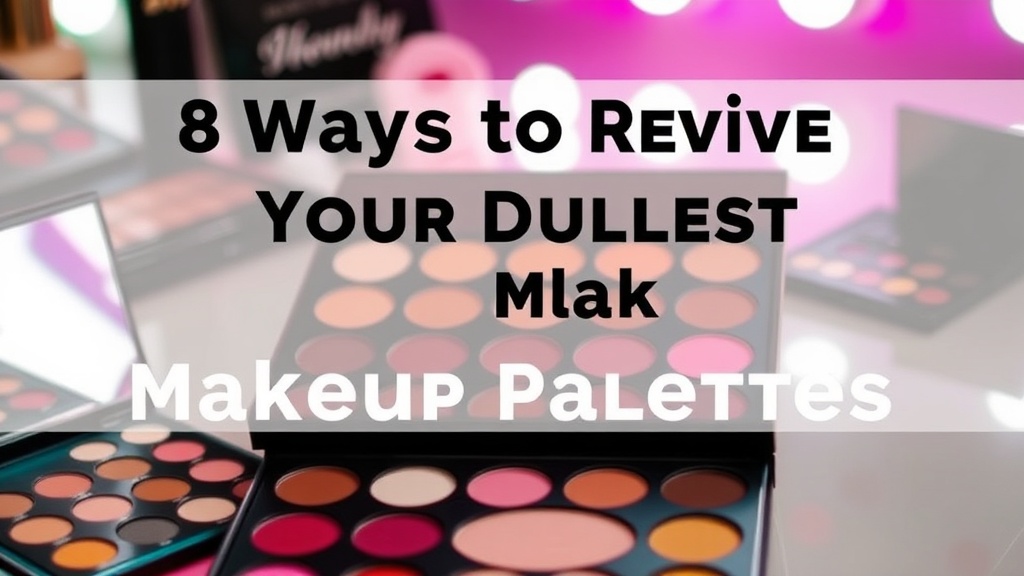
8 Ways to Revive Your Dullest Makeup Palettes

The Rubbing Alcohol Method for Pressed Powders
Fixing Cracked Eyeshadow with Isopropyl Alcohol
Rescuing Sunken Blush and Bronzer
Cleaning Dirty Eyeshadow Brushes
Dealing with Loose Pigment Spillage
Smoothing Out Clumpy Cream Products
Re-setting Foundation with Setting Spray
Preventing Future Palette Damage
A woman sits at her vanity, staring at a high-end eyeshadow palette that cost more than her grocery bill. The pans are nearly empty, the pressed powders are cracked, and the once-vibrant pigments look dusty and lifeless. She’s about to toss it into the trash, assuming it’s "dead," when a simple solution could have saved it. Most people treat makeup like a disposable commodity, but a high-quality palette is an investment—not a single-use item. This post shows you how to fix broken powders, revive dull pigments, and extend the life of your beauty products through simple, effective hacks.
How Do You Fix a Broken Eyeshadow Pan?
You fix a broken eyeshadow pan by using 70% isopropyl alcohol to re-bind the powder. It’s a simple process that works on almost any pressed pigment, from drugstore brands like Maybelline to luxury names like Anastasia Beverly Hills. When a pan cracks, it’s usually due to impact or temperature shifts, but that doesn't mean the pigment is ruined.
First, carefully remove the broken powder from the pan. You’ll want to place the powder into a small, clean container or back into its original tray. Slowly drip the alcohol over the powder—just enough to make it a paste, not a soup—and use a clean tool to press it down firmly. Let it dry for 24 to 48 hours. Once it’s set, that "broken" shadow will be as smooth as the day you bought it.
Don't skip the drying time. If you try to use it too soon, it'll just turn back into a mess of loose dust. (Trust me, I've seen enough returned "damaged" items to know that a little patience goes a long way.)
Can You Revive Dull or Hardened Makeup?
You revive dull makeup by removing the "hard pan" layer—the oxidized, crusty film that forms on top of pressed powders. This happens because oils from your skin or brushes transfer into the product, creating a barrier that prevents pigment payoff. It’s a common issue with high-pigment shadows and even some blushes.
To fix this, take a piece of clean, dry tape. Gently press the tape onto the surface of the product and lift. This lifts away the oxidized layer without disturbing the actual pigment underneath. If the tape isn't enough, use a clean, dry Q-tip to lightly scrape the top layer off. Once that film is gone, your color should look just as bright as it did when it was brand new.
This is especially common with cream-to-powder formulas. If your cream blush or shadow looks lackluster, it’s likely just a buildup of product residue. A quick scrape or a tape lift is often all it takes to bring the vibrancy back.
- The Tape Method: Best for light surface oxidation.
- The Q-Tip Scrape: Best for stubborn, thick buildup.
- The Alcohol Mist: Best for softening dried-out cream products.
How Do You Fix a Dried-Out Cream Eyeshadow?
Add a tiny drop of a lightweight facial oil or a specialized makeup mixing medium to the pan to restore its texture. Cream shadows, especially those in jars, can dry out if the lid isn't airtight. Instead of throwing it out, you can often rehydrate the formula.
If you’re using a high-end brand like Bobbi Brown, you might be hesitant to add "extra" ingredients, but a single drop of a clean, unscented oil can work wonders. Mix it in with a toothpick until the consistency is back to what you prefer. This works for cream blushes and even some liquid lipsticks. Just be careful—too much liquid will make the product runny and unusable.
If you find your cream products drying out often, check your storage. Heat is the enemy of cream-based cosmetics. Keep them in a cool, dark place to avoid premature drying.
How to Refresh Old Bronzer and Blush
To refresh old bronzer or blush, use a soft, dry brush to remove any surface debris and a light dusting of translucent setting powder. Sometimes, the product isn't actually "bad," it just has a layer of dust or old oils on top. A quick sweep can restore the look of the product.
If the color seems to have faded, it might be due to the way you're applying it. If your brushes are dirty, they can actually "drag" the pigment away rather than depositing it. Make sure your tools are clean. A clean brush ensures that the pigment actually hits your skin instead of getting stuck in the bristles.
One thing to note: if a powder product has changed color significantly or smells "off," throw it away. This is a sign of bacterial growth or extreme oxidation that a simple refresh won't fix. Safety first.
| Product Type | Common Issue | Quick Fix |
|---|---|---|
| Pressed Eyeshadow | Cracked/Broken | 70% Isopropyl Alcohol |
| Cream Blush | Dried/Hardened | Drop of Facial Oil |
| Powder Blush | Dull/Hard Pan | Tape or Q-tip Scrape |
| Liquid Lipstick | Separated | Shake and Warm in Hands |
Is It Safe to Use Old Makeup?
Safety depends on whether the product is a powder or a liquid, as powders generally have a longer shelf life. According to cosmetic shelf life standards, powder-based products like eyeshadows and blushes are much more stable than liquids or creams. If a product has a change in scent, texture, or color, it is no longer safe to use.
Liquid products, especially those containing water, are breeding grounds for bacteria. If your liquid foundation or cream shadow has developed a weird smell, don't try to "fix" it. Toss it. No amount of alcohol or oil will make a contaminated product safe again. I've seen way too many people try to save a "weird-smelling" product only to end up with a skin reaction or a breakout.
A good rule of thumb? If it looks or smells different than when you first bought it, it's time for a replacement. It’s much cheaper to buy a new $10 mascara than to deal with a staph infection from an expired tube.
Ways to Extend the Life of Your Beauty Collection
The best way to avoid the "broken palette" cycle is to prevent the damage from happening in the first place. This involves both how you store your products and how you use them. Most damage happens due to poor handling or environmental factors.
- Keep Lids Tight: It sounds obvious, but many people leave their palettes open while doing their makeup. This dries out the product.
- Avoid Humidity: Don't store your makeup in the bathroom. The steam from the shower can wreak havoc on powders and creams.
- Clean Your Brushes: Dirty brushes transfer oils and bacteria back into your palettes, causing that dreaded "hard pan" buildup.
- Control Temperature: If you travel, keep your makeup in a dedicated, temperature-controlled bag.
When you treat your makeup like the investment it is, it lasts longer. A little bit of care goes a long way in keeping your collection looking fresh and vibrant.