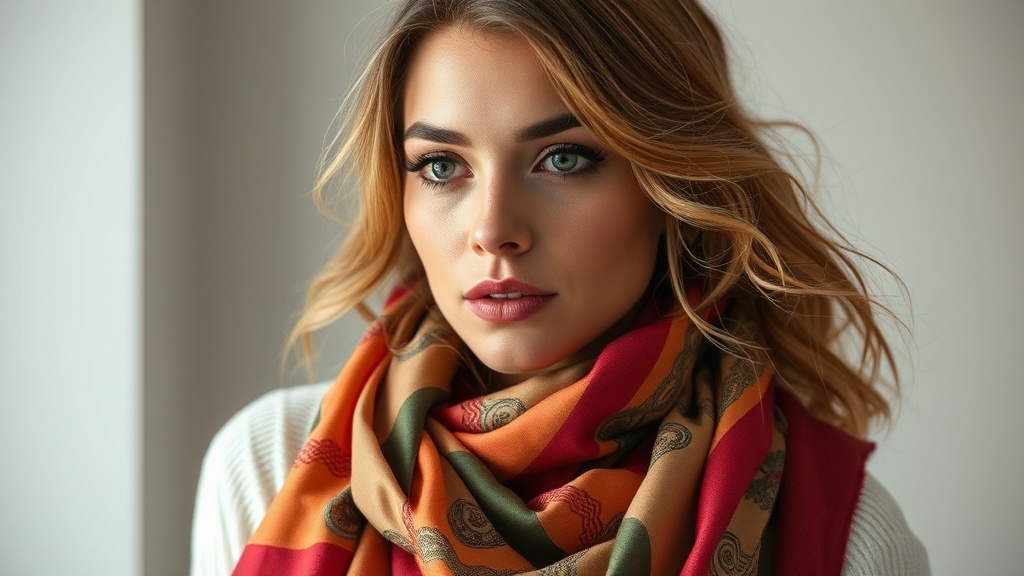
7 Ways to Refresh Your Old Silk Scarves

Gentle Hand Washing Techniques
Removing Stubborn Water Stains
The Best Way to Steam Silk
Proper Storage for Shape Retention
Reviving Faded Colors
Dealing with Snags and Loose Threads
Seasonal Storage Tips
Do you have a drawer full of silk scarves that feel too "precious" to wear but too good to throw away? Silk is a high-quality natural fiber, but it often sits idle because people fear ruining the delicate weave or because the patterns feel outdated. This post explores seven practical ways to repurpose and style your silk scarves to ensure they actually get used instead of gathering dust. We'll look at everything from hair accessories to home decor to help you get more value out of your high-end silk investments.
How Can You Use a Silk Scarf as a Hair Accessory?
You can use a silk scarf as a headband, a hair tie, or even a base for a sophisticated braid. Silk is actually much better for your hair than synthetic blends because it reduces friction—meaning less breakage and fewer split ends.
The easiest method is the "Scarf Headband." Take a long, skinny silk scarf (often called a skinny scarf or a twilly), fold it to your desired width, and tie it around your head just above the hairline. It’s a simple way to add a pop of color to a basic ponytail or a messy bun. If you have a larger square silk scarf, like a classic 90cm Hermès square, you can fold it into a triangle and tie it under your hair for a retro, 1950s-inspired look.
One thing to watch out for: if your hair is particularly fine, a heavy silk might slip. I've seen plenty of people return high-end silk items because they felt the material was "too slippery," but usually, it's just a matter of using a small amount of hair wax or a thin, discreet headband underneath to provide some grip.
If you're worried about your hair texture, check out my guide on preventing your wool coats from pilling to see how different fibers interact with your hair and clothing. Just as wool can be abrasive, certain silk weaves can be quite delicate on a fragile hair cuticle.
How Do You Style a Silk Scarf on a Handbag?
To style a silk scarf on a handbag, you can wrap it around the handle or tie it to the ring of the strap. This is a brilliant way to breathe new life into an older bag that might be looking a bit tired or monochromatic.
If you have a structured bag like a Chanel Flap Bag or a classic Coach silhouette, adding a silk scarf can soften the look. You can wrap the scarf tightly around the entire handle—this actually serves a dual purpose by protecting the leather from oils from your hands—or you can tie a loose, flowing knot to the base of the strap.
A quick tip from my time in returns: don't use a scarf that is already frayed. Silk edges can fray easily if they aren't finished with a high-quality hand-rolled hem. If the edges are falling apart, the scarf will look messy against your expensive leather rather than intentional. It's a common mistake people make when trying to "upcycle" items that are actually past their prime.
What Are the Best Ways to Wear a Silk Scarf as Clothing?
You can wear a silk scarf as a halter top, a necktie, or a belt. These methods turn a simple piece of fabric into a structural element of your outfit.
For a summer evening, a large square silk scarf can be folded into a triangle and tied behind your back to create a makeshift halter top. This works best with a high-quality silk crepe de chine, which has enough weight to drape elegantly without being overly sheer.
If you're feeling more professional, use a smaller scarf as a necktie or a "ascot" style piece under a blazer. It adds a layer of texture that a standard cotton tie just can't match.
Here is a quick breakdown of which scarf types work best for different clothing styles:
| Scarf Type | Best Use Case | Vibe |
|---|---|---|
| Small Square (50cm) | Necktie or Handbag Accent | Polished/Preppy |
| Large Square (90cm+) | Halter Top or Shawl | Elegant/Bohemian |
| Long/Skinny (Twilly) | Hair Tie or Bag Handle | Modern/Minimalist |
How Can Silk Scarves Be Used in Home Decor?
Silk scarves can be used as decorative elements in your home, such as a table runner, a picture frame accent, or a small wall hanging. This is an excellent way to use silk that might have a tiny snag or a print you no longer want to wear out in public.
A large, vibrant silk scarf makes a stunning table runner for a centerpiece. It adds a layer of luxury to a dining room without the heavy commitment of a full tablecloth. If you have a collection of smaller, vintage silk scarves, you can even frame them. This is a great way to preserve the fabric—museum-quality framing can prevent light damage, though you should still keep them away from direct sunlight to avoid fading.
I've seen people try to use silk as drapery, but I wouldn't recommend it. Silk is a natural protein fiber (you can read more about the properties of silk on the Wikipedia page for Silk), and it reacts heavily to UV light. If you hang it in a window, it will eventually become brittle and lose its luster. Use it as an accent, not a primary functional item.
How Do You Use Silk Scarves for Jewelry?
You can use silk scarves to create custom bracelets, necklaces, or even earring accents. This is a great way to repurpose small scraps or scarves that have become too small for traditional wearing.
To make a bracelet, take a long, thin silk strip and wrap it around your wrist several times, securing it with a small, hidden knot. It’s much more comfortable than a metal cuff and adds a soft, colorful texture to your wrist. For a necklace, you can thread a silk scarf through a large pendant or use the scarf itself as the "chain" for a statement piece.
Just be mindful of the weight. If you're using a heavy statement pendant, a lightweight silk scarf might sag or stretch too much. Ensure the knot is secure so the jewelry doesn't slip off.
How Do You Prevent Silk Scarves From Getting Damaged?
To prevent damage, you should hand wash your silk in cool water with a specialized silk detergent and avoid direct sunlight when drying. Most people ruin their silk by treating it like cotton, which is a huge mistake.
Never, under any circumstances, put a silk scarf in a washing machine or a dryer. The agitation will destroy the fibers, and the heat will cause the silk to shrink and lose its sheen. If you're using a scarf as a headband or a top, you'll naturally encounter sweat and oils.
When cleaning, use a pH-neutral detergent. Many high-end brands, like Hermès, actually recommend professional dry cleaning for their most delicate pieces, but for regular maintenance, a gentle hand wash is fine. Always lay the scarf flat on a clean towel to dry—never hang it while it's wet, or the weight of the water will stretch the fabric out of shape.
If you're worried about the longevity of your silk, treat it with the same respect you'd give a high-end garment. It's an investment in texture and color, not just a piece of cloth. If you've already seen how much wear and tear a garment can take, you'll appreciate why careful handling is so important. For instance, if you've noticed your leather goods aging, you'll understand that material-specific care is the only way to prevent premature "death" of a luxury item.