6 High-Tech Skincare Gadgets That Actually Deliver Glowy Results

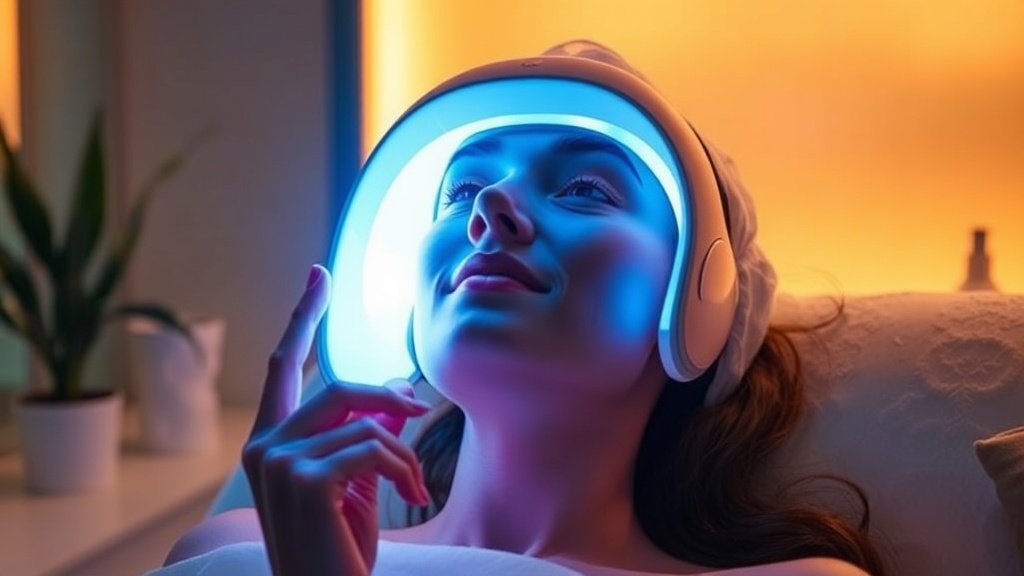
The LED Light Therapy Mask
Microcurrent Facial Toning Device
Ultrasonic Skin Scrubber
Cryotherapy Cooling Globes
Sonic Facial Cleansing Brush
Radiofrequency Skin Tightening Tool
You will learn how to distinguish between high-performance skincare technology and overpriced aesthetic novelties by examining six specific categories of high-tech gadgets that offer measurable biological benefits. This guide breaks down the mechanics of LED therapy, microcurrent, ultrasonic exfoliation, and radiofrequency to ensure your investment translates into skin texture improvement rather than just a cluttered vanity.
The beauty industry is currently flooded with "smart" devices that are often little more than vibrating silicone or low-wattage heating elements. Having analyzed the failure rates and consumer dissatisfaction patterns of thousands of luxury beauty returns, it is clear that many consumers are being sold a promise of "glow" that lacks a physiological foundation. To achieve actual results—whether that is increased collagen production, improved lymphatic drainage, or deeper product penetration—you must look at the specific wavelengths, frequencies, and mechanical actions being utilized.
1. LED Light Therapy Masks: Understanding Wavelength Specificity
Light Emitting Diode (LED) therapy is frequently marketed as a magic wand for aging, but the efficacy of a mask depends entirely on the precision of its light wavelengths. Low-quality devices often use broad-spectrum light that lacks the intensity required to penetrate the dermis. For a device to be effective, it must target specific biological processes through narrow-band light.
Red light therapy (typically between 630nm and 700nm) is the gold standard for stimulating fibroblasts, the cells responsible for collagen and elastin production. If you are looking to address fine lines, ensure the device utilizes a consistent red light output. Blue light (approximately 415nm) is the primary tool for treating Propionibacterium acnes, the bacteria responsible for inflammatory acne. A high-quality device like the Dr. Dennis Gross DRx SpectraLite or the CurrentBody Skin LED Mask provides regulated light that actually reaches the deeper layers of the skin rather than just sitting on the surface.
When evaluating an LED mask, check the irradiance levels. If a manufacturer cannot provide the specific nanometer (nm) measurements for their light, the device is likely a decorative light rather than a therapeutic tool. Avoid devices that claim to do "everything" with a single setting; specialized treatments often require a dedicated wavelength to be effective.
2. Microcurrent Devices: Muscle Stimulation vs. Surface Tingling
Microcurrent technology is designed to mimic the body's natural electrical currents to stimulate facial muscles and improve tone. Unlike a simple facial massage, microcurrent works on a neuromuscular level. The goal is not just to move fluid, but to increase ATP (adenosine triphosphate) production, which provides energy to the cells.
The NuFace Trinity is a benchmark in this category because it utilizes a specific frequency that targets the facial musculature. When using a microcurrent device, the most common mistake is failing to use a high-quality conductive gel. Without a thick, water-based medium, the current cannot travel effectively through the skin, leading to a stinging sensation rather than a lifting effect. If you feel a sharp, localized pinch, the current is not being distributed correctly.
For best results, incorporate microcurrent into a consistent routine. It is a preventative and corrective tool, not a one-time fix. Much like building a timeless foundation in your wardrobe, a consistent microcurrent regimen builds the underlying structure of your skin over time. Do not expect an instant "facelift"; expect a gradual improvement in muscle tone and facial contouring over 8 to 12 weeks of regular use.
3. Ultrasonic Skin Scrubber Spatulas: Deep Pore Decongestion
Ultrasonic technology in skincare usually manifests as a vibrating spatula designed for deep cleansing and exfoliation. These devices use high-frequency ultrasonic vibrations (often around 24,000 Hz) to create "cavitation." This process turns water into a fine mist that helps dislodge sebum, dead skin cells, and debris from within the pores.
The Foreo Luna series or specialized ultrasonic spatulas are highly effective, but only if used with a wet skin surface. Attempting to use an ultrasonic scrubber on dry skin is not only ineffective but can cause micro-tears or irritation. The device should be used in a downward motion for extraction and an upward motion for infusion. The upward motion is particularly useful for driving hydrating serums deeper into the epidermis through sonic-driven absorption.
Be wary of cheap, unbranded "vibrating facial brushes." Many of these are simply rotating bristles that provide mechanical exfoliation. True ultrasonic technology uses sound waves to vibrate the water molecules on your skin, creating a much deeper level of detoxification that a standard brush cannot achieve. Use these tools no more than twice a week to avoid compromising your skin barrier.
4. Radiofrequency (RF) Devices: Collagen Induction through Heat
Radiofrequency devices are the "heavy hitters" of at-home skincare, designed to address skin laxity and deep wrinkles. RF works by delivering thermal energy into the dermis. This heat causes existing collagen fibers to contract and stimulates the production of new collagen. This is a much more aggressive treatment than LED or microcurrent.
A reputable device, such as those from Tripollar, will include temperature sensors to ensure you are not causing thermal damage to the skin. The key to RF success is controlled heat. You are looking for a warming sensation, not a burning sensation. If the device does not have a way to regulate or monitor the heat being applied, it is a significant safety risk.
Because RF is a heat-based treatment, it is essential to follow up with soothing, anti-inflammatory ingredients. This is a high-intensity method for those looking to maintain skin elasticity. It is a long-term investment in skin density, much like choosing high-quality fabrics that hold their shape over years of wear rather than a single season.
5. Electroporation Devices: The Science of Product Penetration
Electroporation is a technique that uses low-voltage electrical pulses to create temporary "micro-channels" in the skin's lipid barrier. This allows large-molecule ingredients—like Hyaluronic Acid or Vitamin C—to bypass the stratum corneum and reach the deeper layers of the skin. Without this technology, many high-end serums simply sit on the surface and eventually evaporate.
Devices like the NuSonic or specialized iontophoresis tools utilize this principle. When using an electroporation device, the quality of your serum is paramount. If you are using a low-grade, highly synthetic serum with a device designed for deep penetration, you may actually drive irritating ingredients deeper into the skin, causing inflammation. Always pair these devices with high-quality, biocompatible serums that are free from heavy fragrances or harsh preservatives.
This technology is particularly effective for those with chronically dehydrated skin. By facilitating deeper penetration, you ensure that your topical treatments are actually performing the work they were formulated to do, rather than just being a superficial layer of moisture.
6. Cryotherapy Tools: Reducing Inflammation and Vasoconstriction
Cryotherapy tools, such as stainless steel globes or specialized facial rollers, utilize extreme cold to induce vasoconstriction. This process helps to reduce puffiness, diminish the appearance of redness, and tighten the skin's surface temporarily. While this is a more superficial treatment than RF or Microcurrent, it is an essential tool for managing daily inflammation and lymphatic drainage.
The Sonia Sculpting Tool or high-grade stainless steel globes are superior to plastic rollers. Plastic often retains heat or fails to maintain a consistent low temperature. For maximum efficacy, store your tools in a dedicated skincare refrigerator or a standard fridge. When using cryotherapy, use long, sweeping motions from the center of the face outward toward the lymph nodes (near the ears and jawline) to effectively move stagnant fluid.
Cryotherapy is an excellent way to "finish" a skincare routine, especially in the morning to combat sleep-induced facial edema. It provides an immediate, albeit temporary, tightening effect that can serve as an excellent primer before applying makeup.
Summary Checklist for High-Tech Skincare Purchases:
- Check the Wavelength: For LED, ensure specific nanometer (nm) ranges are provided.
- Verify the Mechanism: Does it use ultrasound, microcurrent, or just vibration?
- Consider the Consumables: Will you need expensive conductive gels or specific serums to make it work?
- Safety First: Does the device have temperature sensors or built-in regulators?
- Consistency Over Novelty: Choose a device that fits into a long-term routine rather than a one-off "miracle" solution.